SOC 2 —
SOC 2 Certification Cost: Full Breakdown for 2026
SOC 2 certification cost ranges from $20K–$85K in 2026. See the full cost breakdown, what drives pricing, and how to cut it with automation.
Deepika
Getting Started with SOC 2
Share this article


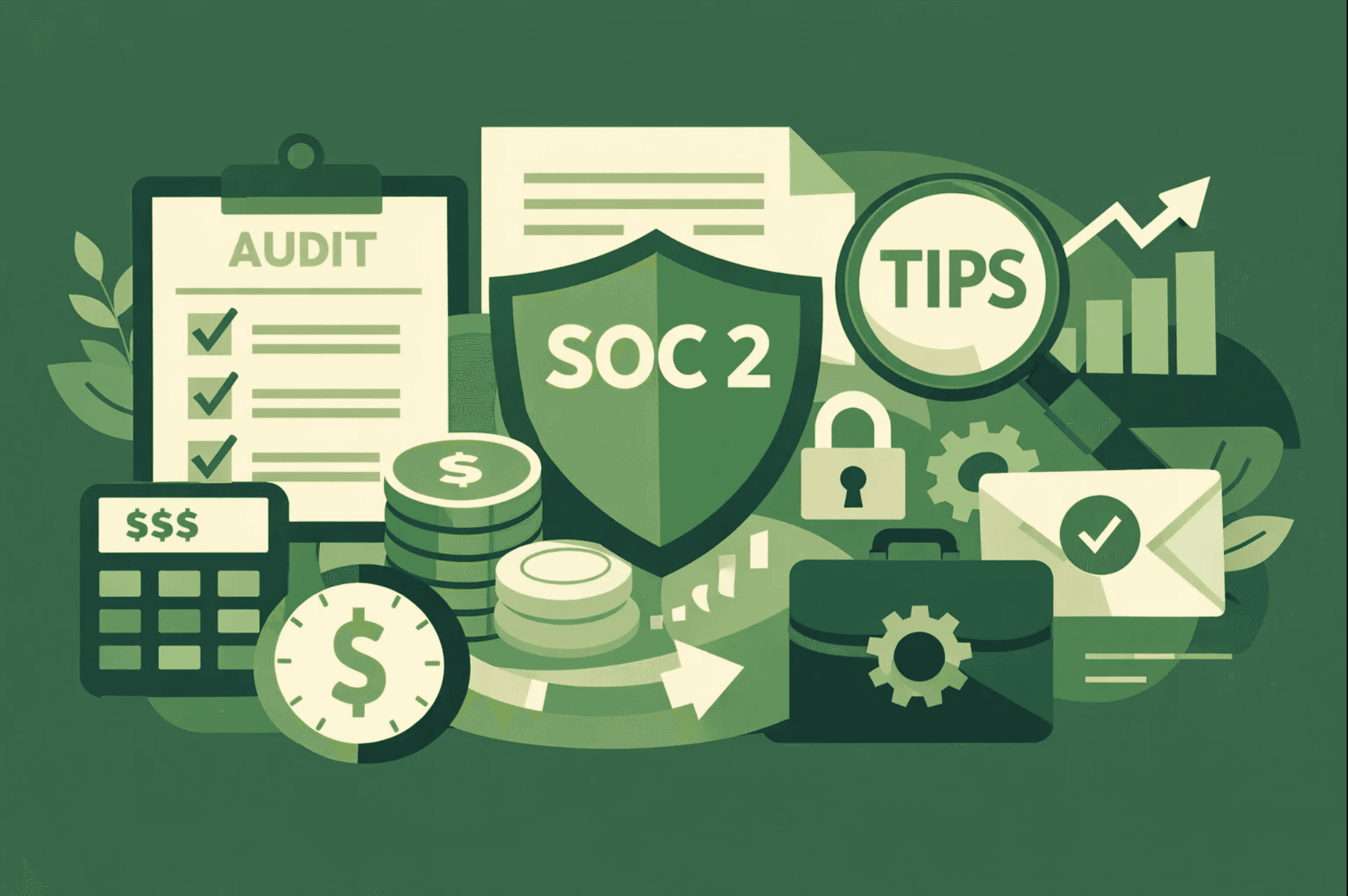
Quick answer: SOC 2 is not a flat-fee certificate it's an audit-based attestation, and total first-year cost for most small-to-mid-size SaaS companies runs from roughly $20,000 to $85,000, with audit fees alone ranging from $5,000–$20,000 for Type I to $8,000–$50,000+ for Type II. Automation platforms like DSALTA reduce that total by removing the manual labor behind readiness, evidence collection, and ongoing monitoring the parts of the process that traditionally drive costs up.
If you're evaluating SOC 2 for the first time, this guide covers everything you need to budget accurately: what SOC 2 certification actually is, the typical SOC 2 cost structure, what drives SOC 2 costs up or down, how a modern compliance platform compares to a traditional audit firm, and where DSALTA fits in.
What Is SOC 2 Certification?
SOC 2 (System and Organization Controls 2) is a reporting framework developed by the American Institute of Certified Public Accountants (AICPA) that verifies how a service provider manages and protects customer data. It is technically an attestation, not a certificate, a licensed CPA firm audits your systems and issues a report, rather than a standards body issuing a certification.
SOC 2 reports are built on five Trust Services Criteria (TSC):
Security (mandatory for every SOC 2 report)
Availability
Processing integrity
Confidentiality
Privacy
Companies pursue SOC 2 to prove to enterprise customers, procurement teams, and security reviewers that customer data is handled securely it's often a prerequisite for closing larger B2B and enterprise deals.
There are two report types:
SOC 2 Type I evaluates the design of your controls at a single point in time. It's faster and less expensive, and is often accepted as a starting point by customers.
SOC 2 Type II evaluates whether those controls operated effectively over an observation period, typically three to twelve months. It costs more because it requires sustained evidence collection rather than a one-time snapshot.

Typical SOC 2 Cost Structure
SOC 2 certification cost is made up of four core components. Understanding each one is the key to budgeting accurately instead of anchoring on a single misleading number.
Cost Component | What It Covers | Typical Range |
|---|---|---|
Readiness Assessment | Gap analysis, scoping, and policy blueprint development before the real audit | $1,000 – $7,000 |
Remediation & Implementation | Closing compliance gaps: writing policies, configuring tools, tightening access controls | $0 – $10,000+ |
External Audit (Type I or Type II) | The formal audit performed by a licensed CPA firm, resulting in the SOC 2 report | $5,000 – $50,000+ |
Ongoing Compliance | Continuous monitoring, annual re-audit, evidence maintenance | $500 – $4,000+ per year |
SOC 2 Readiness Assessment Cost
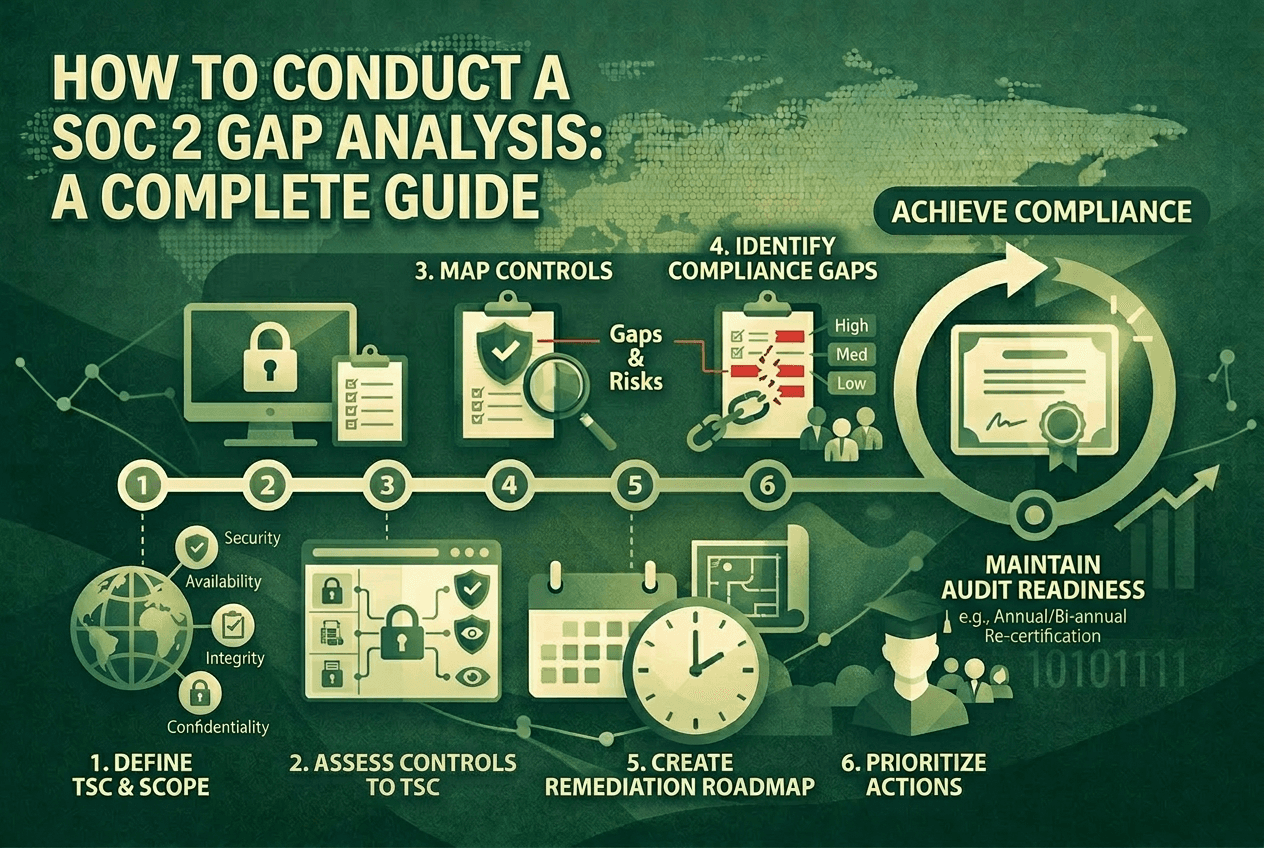
This is the "gap analysis" phase — reviewing your current environment against SOC 2 requirements to identify what's missing before an auditor is ever involved. For most companies, this pre-audit preparation work is the most resource-intensive part of the entire process, sometimes exceeding the audit fee itself when done manually.
SOC 2 Remediation and Implementation Cost
Once gaps are identified, someone has to close them: drafting policies, standing up logging and monitoring, tightening access controls, and organizing evidence. This step is where manual, consultant-heavy processes tend to balloon in cost — automated evidence collection can cut this manual effort dramatically.
SOC 2 External Audit Cost
This is the fee paid directly to the CPA firm conducting the audit. Type I audits, covering a single point in time, are the lower-cost, faster option. Type II audits, which test controls over months rather than days, typically run 1.5x or more the cost of a Type I audit because of the extended testing window and higher documentation burden.
SOC 2 Ongoing Compliance Cost
SOC 2 reports are generally treated as valid for about 12 months, so most companies re-audit annually. Ongoing costs include continuous monitoring, evidence collection, and the renewal audit itself. Companies with established tooling and policies from year one typically see total costs drop 30–50% in year two.
What Drives SOC 2 Cost?
Several factors determine where a given company lands within these ranges:
Company size and system complexity — more infrastructure, vendors, and integrations mean more controls to test and document.
SOC 2 Type I vs. Type II — Type II requires continuous testing over months, not a single point-in-time review, which raises both audit fees and internal effort.
Manual vs. automated workflows — manual evidence collection, spreadsheet tracking, and ad hoc policy writing are the single biggest cost driver in traditional SOC 2 engagements; automation removes most of this labor.
Internal compliance expertise — organizations with an in-house compliance owner rely less on paid external consultants.
Timeline pressure — needing a report in under three months to close a deal often means paying a premium for expedited audit and consulting work.
SOC 2 vs. Traditional Audit: What's the Real Difference?
"Traditional SOC 2 audit" usually describes the legacy approach: a consulting firm runs a manual gap analysis, your team fills out spreadsheets and email threads to produce evidence, and the audit firm reviews everything by hand. This approach is slow, labor-intensive, and expensive — the manual overhead is exactly why traditional SOC 2 audit costs can swing so widely, from a few thousand dollars for a bare-bones Type I engagement to well over $100,000 for a full Type II report at a large organization.
Traditional SOC 2 Audit | Automated SOC 2 Platform (e.g., DSALTA) | |
|---|---|---|
Gap analysis | Manual, consultant-led, billed hourly | Automated controls mapping against SOC 2 requirements |
Policy creation | Drafted from scratch by consultants | Pre-built, customizable policy templates |
Evidence collection | Manual uploads, spreadsheets, email chains | Continuous, automated evidence collection |
Ongoing monitoring | Separate tool or manual quarterly checks | Built-in real-time monitoring and alerts |
Auditor collaboration | Disorganized document exchange | Shared workspace between company and auditor |
Total cost driver | Consultant and auditor labor hours | Software automation reduces billable hours |
The underlying audit standard is identical either way a licensed CPA firm still has to issue the report. What changes is how much manual labor (and therefore cost) sits between "starting the process" and "getting the report."
DSALTA: Making SOC 2 Affordable Without Sacrificing Trust
DSALTA is built specifically to close the gap between what SOC 2 compliance should cost and what legacy audit firms typically charge. Instead of billing for manual hours at every stage, DSALTA automates the parts of the process that traditionally eat the budget:
Automated readiness assessment — built-in gap analysis and controls mapping replace manual scoping work, so you know exactly where you stand before engaging an auditor.
Pre-built policy and evidence templates — no drafting policies from a blank page or reinventing documentation that every SOC 2 program needs.
Streamlined evidence collection — continuous, automated evidence gathering instead of manual spreadsheet uploads, cutting the labor hours auditors otherwise bill for.
Real-time continuous monitoring — ongoing visibility into your control environment, so compliance doesn't lapse between audits.
Transparent partner pricing — no hidden retainers or open-ended consulting fees; you know what you're paying for at each stage.
The goal isn't to cut corners on the audit itself — the Trust Services Criteria and the CPA audit standard don't change. The goal is to remove the manual busywork that inflates traditional SOC 2 pricing, so companies of any size can achieve the same rigorous, trustworthy SOC 2 report without a six-figure budget.
Key Takeaways
SOC 2 is an attestation issued by a CPA firm, not a flat-fee certificate — total cost depends on scope, report type, and how much of the process is automated.
The four cost components are readiness assessment, remediation, external audit, and ongoing compliance.
Type II costs more than Type I because it tests controls over an extended period rather than a single point in time.
Manual, consultant-heavy workflows are the biggest driver of high SOC 2 costs; automation platforms significantly reduce that overhead.
DSALTA replaces manual gap analysis, policy drafting, and evidence collection with automated workflows — making rigorous SOC 2 compliance accessible without the traditional price tag.
Frequently Asked Questions
How much does SOC 2 certification cost for a startup? Most small SaaS startups budget somewhere between the low tens of thousands for their first year, factoring in readiness work, audit fees, and internal time with costs dropping significantly in renewal years.
Is SOC 2 Type I or Type II cheaper? Type I is cheaper and faster since it reviews controls at a single point in time. Type II costs more because it tests those controls over an extended period, usually several months.
Does buying compliance software include the final SOC 2 report? No. Compliance automation platforms help with evidence collection, policy templates, and monitoring but only a licensed CPA firm can perform the actual audit and issue the SOC 2 report.
How long does a SOC 2 report stay valid? SOC 2 reports are generally treated as current for 12 months, which is why most companies pursue an annual audit cycle.
What's the cheapest way to get SOC 2 certified? Starting with SOC 2 Type I, focusing only on the mandatory Security criterion, and using an automation platform to handle readiness and evidence collection are the three biggest levers for reducing cost.
Does SOC 2 certification cost less in year two? Yes, once policies, tooling, and evidence workflows are established, renewal-year costs typically drop 30–50% compared to the first year.
Ready to Simplify Your SOC 2 Journey?
Whether you're pursuing SOC 2 Type I or Type II, the biggest cost lever is how much manual work your team has to do. Schedule a demo with DSALTA to see how automated readiness assessments, controls mapping, and continuous monitoring can streamline your path to SOC 2 compliance.

Explore more SOC 2 articles
Stop losing deals to compliance.
Get compliant. Keep building.
Join 100s of startups who got audit-ready in days, not months.