AI Compliance —
What Is an AI Audit? (Definition, Process & Examples)
Discover how AI audits work in 2026 and learn how to ensure transparency, regulatory compliance, and trust in automated decision-making systems.
John Ozdemir
AI Regulatory Compliance
Share this article


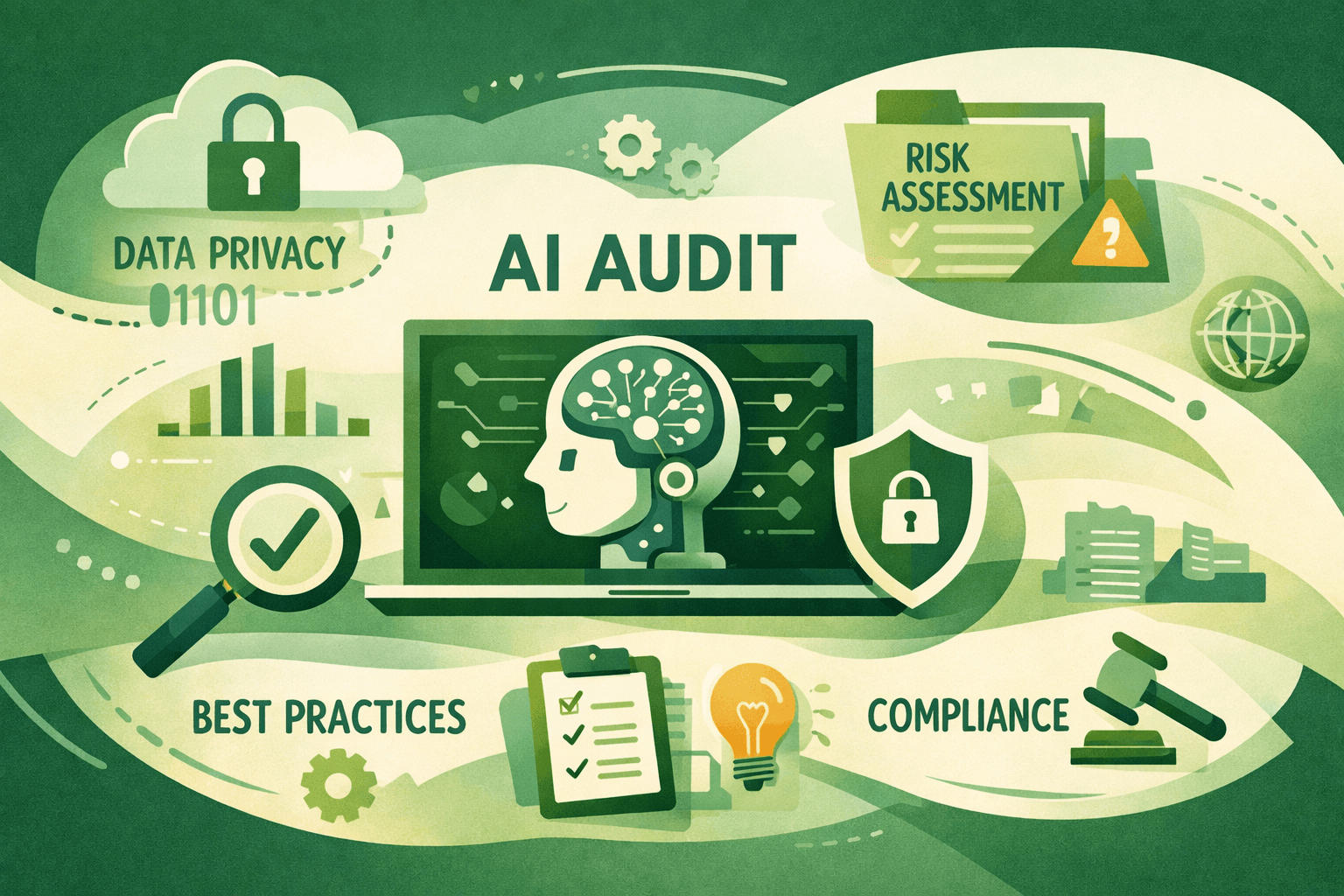
What Is an AI Audit? Definition, How It Works & Key Benefits
An AI audit is the use of artificial intelligence and machine learning to automate the collection of compliance evidence, monitor security controls in real time, and generate audit-ready reports, replacing the manual, spreadsheet-driven processes that traditional auditing relied on.
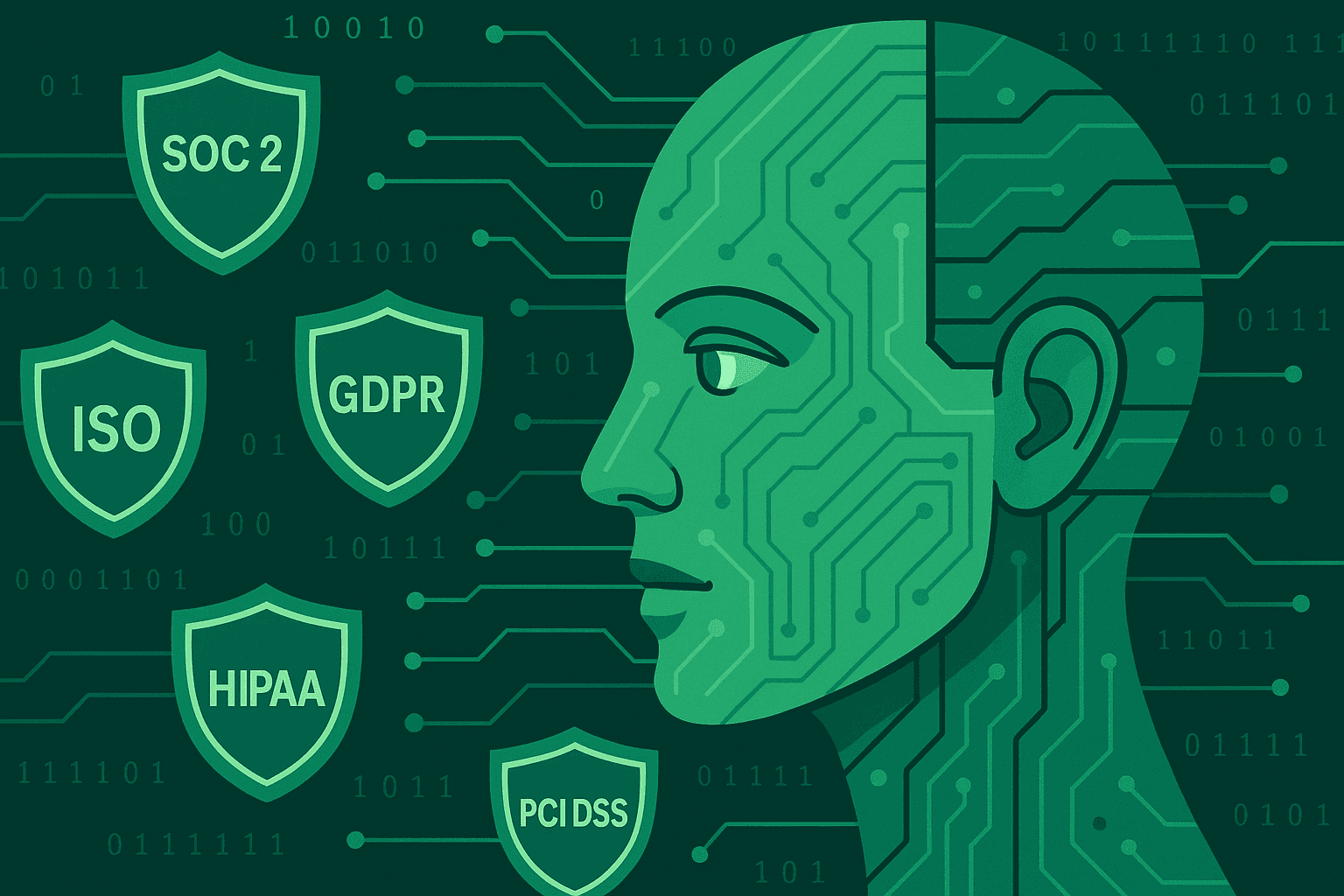
For organizations managing SOC 2, ISO 27001, HIPAA, GDPR, or PCI DSS requirements, AI auditing compresses what used to take weeks of human review into hours of automated analysis.
Why Traditional Auditing Falls Short
Past auditing methods relied on human document inspection and spreadsheet analysis. Those methods prove inadequate for the present business requirements. Contemporary organizations handle extensive amounts of data, multiple policies, and security controls that require continuous examination — far beyond what manual processes can sustain at scale.
AI auditing changes this completely. The technology enables companies to conduct compliance and risk assessment in a fundamentally different way.
How AI Auditing Works
The auditing process uses artificial intelligence and machine learning to enhance compliance audit management capabilities. Traditional audit methods rely on human personnel to review documentation, implement sampling, and perform slow analysis.
AI auditing operates differently. Smart algorithms process large datasets automatically. The system spots compliance gaps. It produces comprehensive audit reports instantly.
The system extends beyond basic automation. AI auditing algorithms use process context and data to discover patterns and make intelligent decisions about compliance status across multiple regulatory frameworks simultaneously. Complex standards become more manageable — including SOC 2, GDPR, ISO 27001, HIPAA, and PCI DSS.
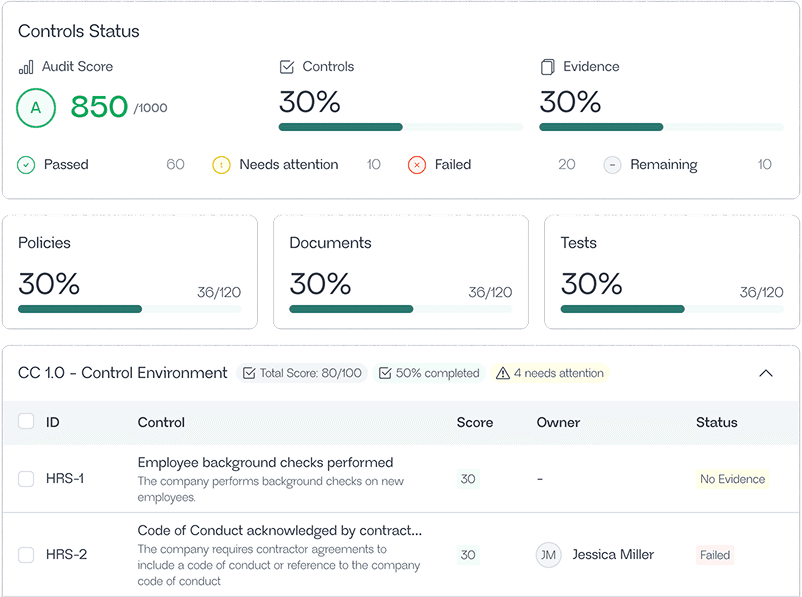
Real-World AI Auditing Use Cases
The following examples demonstrate how AI auditing brings success to companies:
Fintech Company Success Story
A mid-sized fintech company faced a problem that needed to be resolved. The company dedicates 6 weeks of each quarter to SOC 2 audit preparation. Three full-time employees worked on evidence collection.
Through AI auditing, they reduced their preparation duration to 2 days. Their highest compliance score to date became their new achievement. The AI system retrieved evidence automatically from its AWS setup. The system implemented security control assessments through continuous monitoring processes.
Healthcare Software Provider
A healthcare software provider struggled to maintain HIPAA compliance in their operations. The organization handled numerous client systems across its operations. The healthcare software provider employs an AI auditing system to track how patients access their information. The system uses real-time monitoring to automatically detect abnormal behaviors. The system generates accurate compliance reports for each client through its 99.7% accurate output. The system replaced manual reviews of access logs,s which numbered in the thousands.
E-commerce Platform
The online store processed millions of credit card transactions through its e-commerce platform. The company implemented AI auditing to meet PCI DSS compliance requirements. The system operates as a continuous monitor, checking both network separation and encryption protocols. The system reduced their assessment duration from three months to one week. The system revealed security problems that standard auditing methods failed to detect.
Growing Software Company
A rapidly expanding software company required assistance at its growth stage. The company required SOC 2 certification to obtain enterprise business clients. They lacked in-house compliance personnel.
AI auditing enabled their small team to create and maintain compliance controls through its features. The system enabled their staff to maintain product development activities simultaneously. The system gathered evidence automatically. Their readiness to display compliance status became immediately available to prospects. The company avoided needing to wait for yearly audit reports.
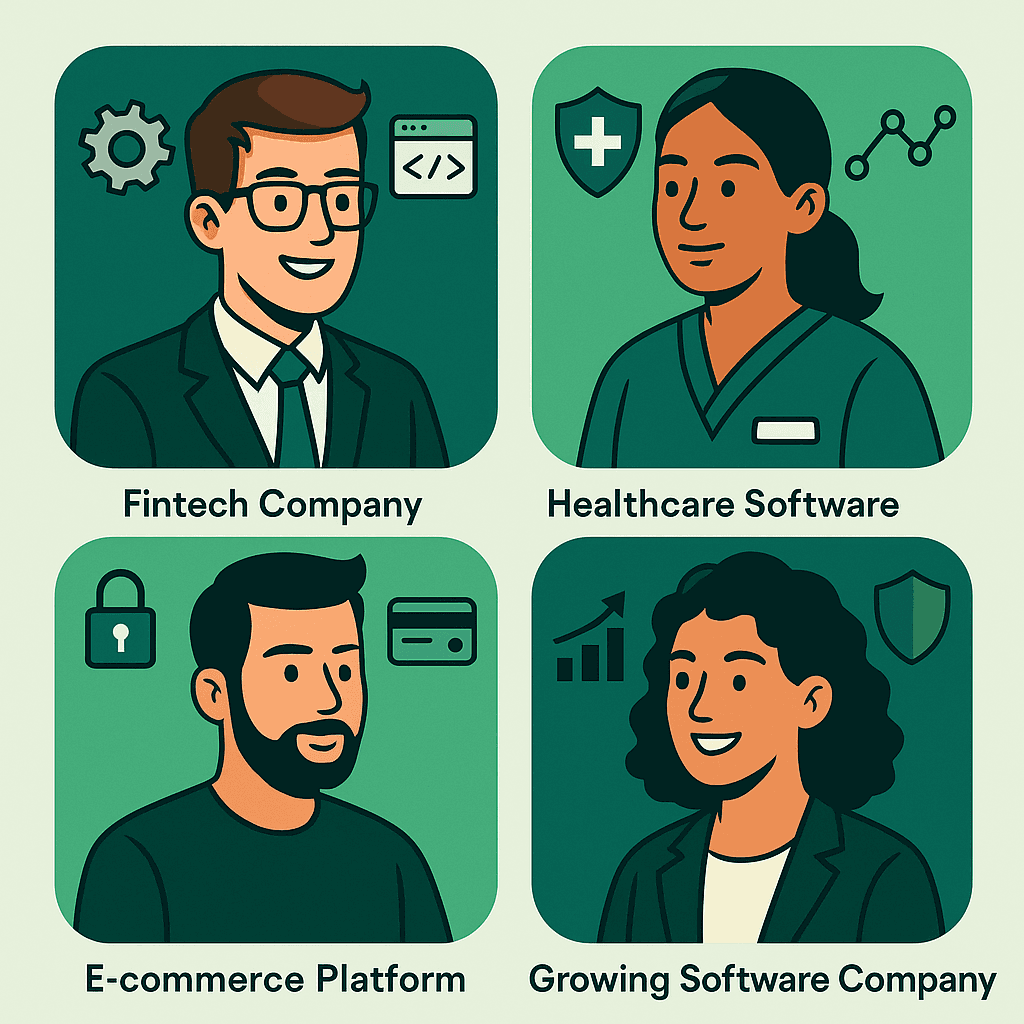
How AI Auditing Scoring Works
The AI auditing scoring system generates numerical ratings that measure compliance health. Modern platforms employ smart scoring algorithms that evaluate various aspects. The assessment considers control completeness, evidence quality, operational performance, and risk-based evaluation.
An AI auditing scoring framework categorizes compliance status through five distinct performance levels:
Excellent Performance (801-1000 points): All major controls complete and validated with full compliance across all checked areas.
Good Standing (601-800 points): The organization demonstrates strong compliance with limited requirements for documentation enhancement and setup optimization.
Fair Compliance (401-600 points): The system has critical test and integration issues, but its basic compliance framework remains intact.
Poor Compliance (201-400 points): The system has numerous unverified controls that need urgent intervention to address fundamental deficiencies.
Critical Risk (0-200 points): Non-compliant status with high risk exposure needing complete fix programs.
The scoring system enables organizations to determine where they should allocate their resources and focus their efforts.
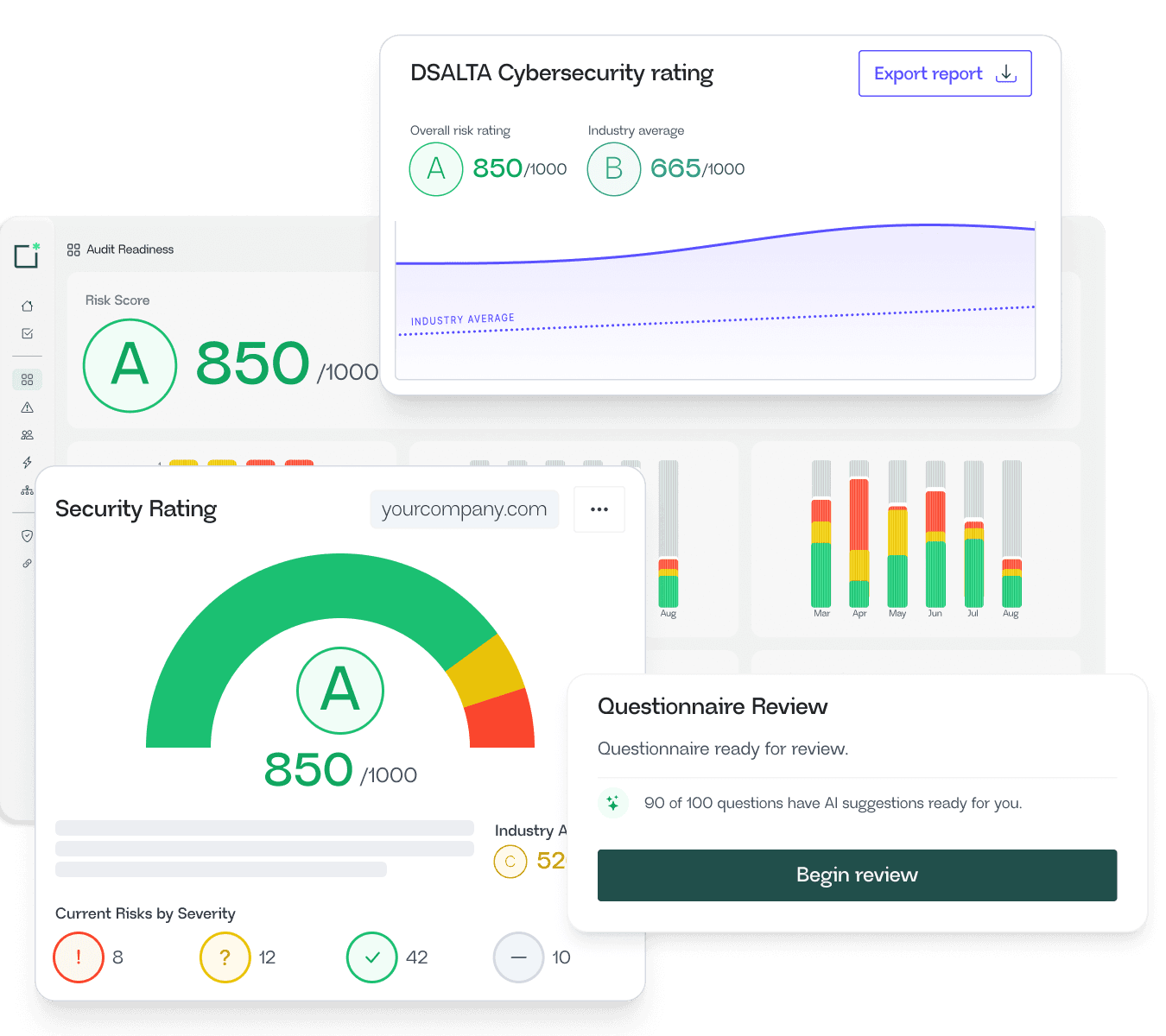
AI Auditing Systems Function with Key Elements
AI auditing platforms currently use multiple essential components for operation.
Document Intelligence
AI systems use natural language processing to evaluate policies and procedures. AI systems translate intricate rules into particular control requirements by understanding their meaning.
Integration Monitoring
The integration monitoring function of AI auditing tools enables users to connect their systems with Bitwarden, Google Cloud Platform, and Microsoft 365. The system continuously monitors configurations and security settings while avoiding operational disruptions.
Evidence Automation
AI systems automatically gather, organize, and validate evidence from multiple sources. The data analysis of audit trails supports compliance claims by creating comprehensive records.
Advanced platforms implement sophisticated scoring tools that evaluate compliance health across multiple framework standards. This helps companies prioritize fix efforts effectively.
AI Auditing Across Different Compliance Frameworks
AI auditing systems overcome various rules-based challenges through their specialized methods for each rule:
SOC 2 Compliance
The trust services criteria under SOC 2 Compliance require continuous monitoring to evaluate operational effectiveness during successive audit periods. AI auditing enables automatic tracking of system configuration changes and confirms that security controls maintain consistent functionality throughout the audit.
GDPR Compliance
AI systems demonstrate excellent performance in mapping how data flows across different systems and networks. They track consent status changes. They detect potential data breaches early. They analyze access patterns before incidents become reportable. The system performs real-time monitoring for these operations.
ISO 27001
The standard requires 114 security controls under ISO 27001 to be proven through evidence-based validation. The AI auditing automation feature uses system integrations to generate evidence of control effectiveness. Security health modifications trigger automatic documentation updates, which form the basis of living documentation.
HIPAA Compliance
AI systems process millions of access logs to identify patterns showing potential privacy violations. These include unusual after-hours access or users accessing records outside their normal work scope through data analysis.
PCI DSS
The AI auditing validation process ensures that cardholder data environments remain properly separated. The system checks that encryption security measures are consistently maintained across all payment processing systems.
Benefits of AI Auditing for Modern Organizations
The implementation of AI-based compliance management by organizations results in major improvements.
Speed and Efficiency
Automated document processing and system analysis enable tasks to be completed in minutes that used to take weeks.
Continuous Monitoring
AI technology provides continuous compliance monitoring through real-time data, unlike traditional periodic audits. Organizations can detect and address problems as they occur.
Cost Reduction
Automated compliance process implementation leads to significant cost reduction and better accuracy and consistency for organizations.
Multi-Framework Support
AI systems simultaneously evaluate organizational compliance across multiple regulatory frameworks. The system offers organizations a unified understanding of their compliance health status.
Consistency and Accuracy
AI systems use standardized evaluation methods to conduct all assessment tasks. The implementation of AI systems reduces the likelihood of human error and personal interpretation.
Implementation Best Practices
The following steps should be followed by organizations to achieve successful AI auditing implementation:
Step 1: Assessment
The process begins with evaluating current audit procedures, followed by pain-point identification and AI auditing goal definition for implementation.
Step 2: Platform Selection
Select platforms that meet your organization's compliance requirements and integrate seamlessly with your existing system infrastructure.
Step 3: Setup and Integration
Organize your existing policies and documentation as you set up system integrations for ongoing monitoring.
Step 4: Initial Audit
The first AI audit should run to determine the initial compliance scores, which will guide the order of necessary fixes.
Step 5: Continuous Monitoring
The ongoing AI auditing feature helps organizations maintain their compliance health and detect potential risks before they escalate into major issues.
Getting Started with AI Auditing
The initial step for organizations that want to implement AI auditing is a basic implementation. You should start by reviewing your current compliance procedures. Automation should target the areas that would benefit most.
Three essential elements exist in successful AI implementation projects. The process begins with established objectives. The project requires thorough planning as a fundamental step. Organizations should leverage AI technology to boost human performance rather than attempt to replace it.
Multiple platforms offer free trial periods (like DSALTA) as part of their offerings. Organizations can test AI auditing solutions to experience their benefits before committing to long-term agreements. After using their systems, they can decide on extended commitments.
A fundamental understanding of this one essential concept leads to success. The systems help humans perform tasks more effectively. They don't replace them entirely. AI demonstrates superior capabilities in data processing and pattern recognition. It provides consistent analysis. Human expertise remains essential for all operations. People analyze results before making strategic decisions and handling stakeholder relationships.
DSALTA's AI Auditing Solution
The AI-based auditing system of DSALTA offers full-scale automated oversight and instant monitoring to resolve typical compliance issues.
DSALTA's AI auditing platform solves compliance issues through its comprehensive automated monitoring system and real-time oversight capabilities. Our platform seamlessly integrates with your existing systems—GitHub, Google Cloud Platform, and Microsoft 365—to create a unified compliance monitoring solution.
The platform generates understandable insights through its smart scoring functionality. The platform provides practical data on the current state of your compliance. The platform supports compliance monitoring for SOC 2, GDPR, ISO 27001, HIPAA, and PCI DSS.
The system avoids using technical language that could cause confusion. DSALTA translates complex requirements into simple scores and recommendations. You can base your compliance priority decisions on the information provided by the platform.
Book a demo to explore DSALTA’s AI auditing capabilities in real time.
Manual preparation tasks that used to take weeks now finish in mere minutes. Real-time monitoring enables this transformation by analyzing data in real time. Strategic initiatives receive priority attention from your team members. Your organization meets its compliance requirements without compromise.
You can find extensive documentation and guidance throughout our platform explaining the requirements for each framework. Users can find supplementary educational materials about specific compliance subjects by following links to additional resources.
Conclusion
AI auditing technology drives a significant transformation in how organizations manage compliance issues. The system applies artificial intelligence to execute repetitive tasks. Real-time systems enable continuous monitoring. Data analysis enables the system to generate intelligent insights.
The combination of regulatory updates with organizational growth makes it essential to implement AI auditing. Organizations must implement AI auditing to stay competitive in the market. It helps manage risk effectively.
Companies that implement AI auditing now establish a stronger position for themselves. These organizations are ready to handle upcoming compliance difficulties. The organizations demonstrate their dedication to implementing strong risk management approaches.
The transformation from traditional to AI-powered compliance management remains crucial. The approach becomes more proactive and data-based through this change. Organizations gain better decision-making capabilities through this approach. They can thrive in an increasingly complex regulatory environment.
The path toward intelligent automated compliance management represents the future direction of regulatory compliance. The system expands human operational potential. Modern business requires speed, accuracy, and complete coverage, and this solution delivers all three. The AI auditing system provides businesses with the capabilities of their future present.
See how DSALTA reduced audit prep time → Start your free trial


Explore more AI Compliance articles
Stop losing deals to compliance.
Get compliant. Keep building.
Join 100s of startups who got audit-ready in days, not months.