SOC 2
HR Audit Prep: DEI, Harassment & Compliance Playbook Guide
Written by
DSALTA Team
|
Published on
Feb 3, 2026
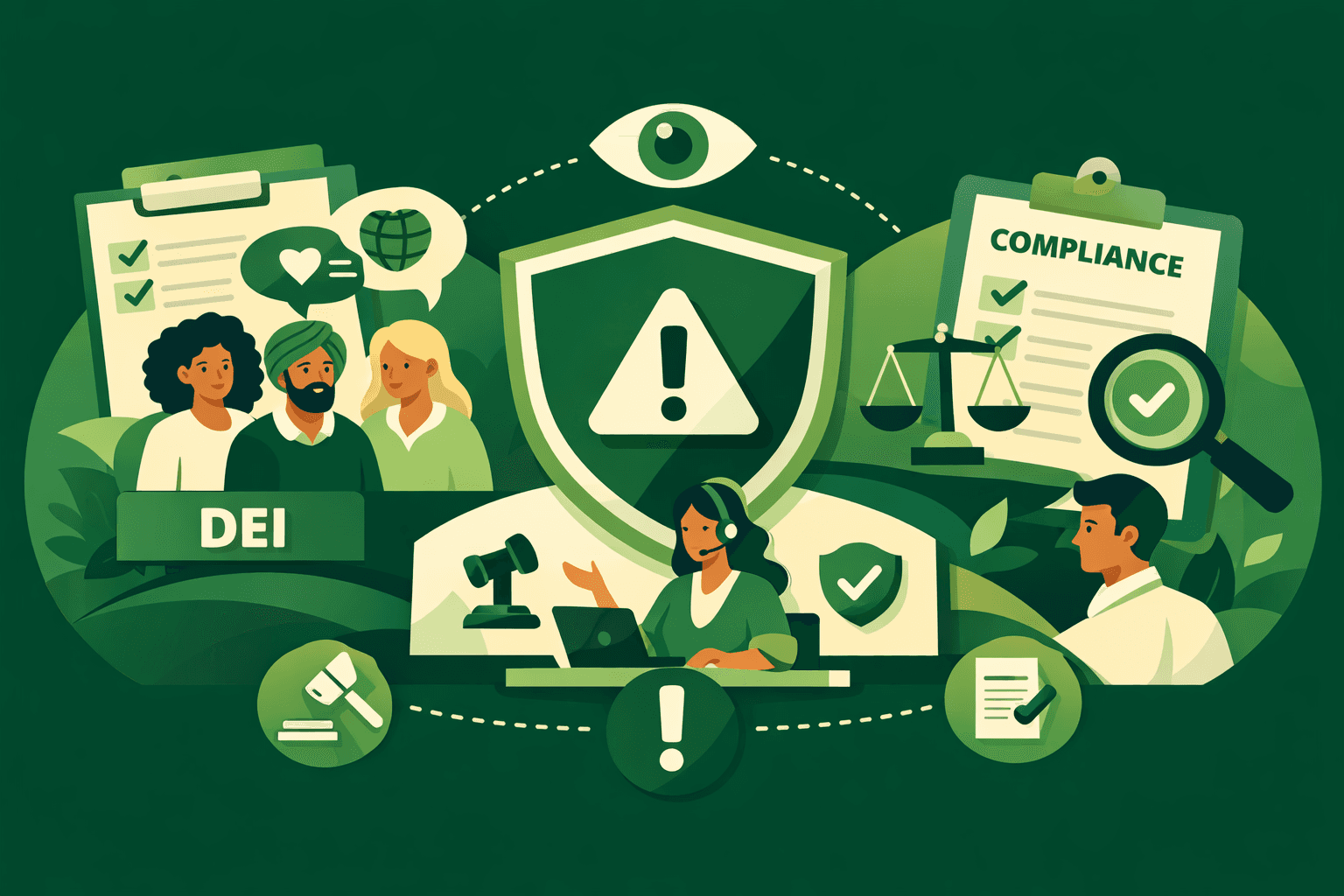
Preparing for an HR audit can feel overwhelming, especially when you're juggling DEI polarization, harassment prevention, and evolving workplace flexibility laws. Whether you're facing a regulatory review or conducting an internal compliance check, having a structured playbook makes all the difference.
In this guide, we'll walk you through practical HR audit preparation strategies using RACI matrices and proven frameworks that help enterprises achieve compliance readiness faster.
What Is HR Audit Preparation and Why Does It Matter?
HR audit preparation involves organizing and reviewing all human resources policies, procedures, and documentation to ensure legal compliance and operational effectiveness. Similar to SOC 2 audit preparation, HR audits require systematic documentation and evidence gathering.
With increasing regulatory scrutiny around diversity, equity, and inclusion (DEI) initiatives, workplace harassment prevention, and remote work policies, companies need systematic approaches to stay audit-ready.
Key challenges organizations face:
• Navigating politically polarized DEI conversations while maintaining compliance
• Maintaining accurate harassment incident logs and response documentation
• Adapting to state-specific workplace flexibility and remote work laws
• Ensuring accountability across HR, legal, and leadership teams
Building Your HR Audit Prep Playbook: The RACI Framework
A RACI matrix (Responsible, Accountable, Consulted, Informed) creates clear ownership for audit preparation tasks. This framework eliminates confusion and accelerates compliance readiness, similar to how risk management frameworks structure security programs.
Core Components of Your Playbook
1. DEI Compliance in a Polarized Environment
Balancing DEI commitments with legal requirements requires careful documentation. Your playbook should include clear policies that focus on measurable outcomes rather than politically charged language.
Action items:
• Document objective DEI metrics (representation data, pay equity audits, promotion rates)
• Review anti-discrimination policies for legal compliance across all jurisdictions
• Maintain records of training programs with attendance and completion rates
• Establish complaint procedures that protect both employees and the organization
2. Harassment Documentation and Response Logs
Proper maintenance of the harassment log is critical during audits. Incomplete or inconsistent records create significant liability risks.
Essential documentation includes:
• Detailed incident reports with dates, parties involved, and witness statements
• Investigation timelines and findings from each complaint
• Corrective actions taken and follow-up measures implemented
• Training records showing prevention efforts and policy acknowledgments
3. Workplace Flexibility and Remote Work Compliance
With states enacting different flexibility laws, your audit playbook must address location-specific requirements for remote work arrangements, flexible scheduling, and right-to-disconnect policies.
Compliance checklist:
• State-by-state policy variations for your workforce locations
• Written remote work agreements with clear expectations
• Time tracking and overtime compliance for non-exempt remote employees
• Equipment, expense reimbursement, and data security policies
Creating Your RACI Matrix for HR Audit Readiness
Here's how to assign responsibilities for quick enterprise readiness, similar to how audit preparation works for security audits:
Sample RACI Assignments
Policy Review and Updates
Responsible: HR Compliance Manager
Accountable: Chief Human Resources Officer
Consulted: Legal Counsel, Department Heads
Informed: Executive Leadership Team
Harassment Log Audit
Responsible: HR Business Partners
Accountable: VP of People Operations
Consulted: Employment Attorney
Informed: Risk Management, Board Audit Committee
DEI Metrics Collection
Responsible: HR Analytics Team
Accountable: Chief Diversity Officer
Consulted: Legal, Finance (for pay equity data)
Informed: CEO, Board of Directors
Common HR Audit Preparation Mistakes to Avoid
Even experienced compliance teams make errors that trigger audit findings. These mistakes are similar to common pitfalls in compliance audits. Watch out for these pitfalls:
• Incomplete documentation trails for investigations and disciplinary actions
• Inconsistent policy application across different employee groups or locations
• Outdated employee handbooks that don't reflect current laws
• Missing training completion records for mandatory compliance programs
• Unclear ownership of audit preparation tasks without RACI accountability
How AI Compliance Tools Streamline HR Audit Prep
Modern AI compliance platforms like DSALTA help automate the most time-consuming aspects of audit preparation. These tools can identify policy gaps, track documentation completeness, and flag potential compliance risks before auditors arrive.
Benefits of AI-powered audit preparation:
• Automated policy monitoring across multiple jurisdictions
• Real-time compliance dashboards showing readiness status
• Centralized documentation storage with audit trail capabilities
• Risk scoring to prioritize remediation efforts
Frequently Asked Questions About HR Audit Preparation
How often should companies conduct internal HR audits?
Most compliance experts recommend annual comprehensive audits, with quarterly reviews of high-risk areas, such as harassment logs and DEI metrics. This mirrors the cadence of continuous compliance monitoring in security frameworks.
What documents do auditors typically request first?
Auditors usually start with employee handbooks, anti-discrimination policies, harassment complaint logs, training records, and recent investigation files.
How long does HR audit preparation take?
For well-prepared organizations with existing documentation systems, preparation takes 4-6 weeks. Companies starting from scratch may need 3-6 months to achieve audit readiness.
Can small businesses use RACI matrices for HR compliance?
Absolutely. Even small teams benefit from clear accountability. In smaller organizations, one person may hold multiple RACI roles, but defining those roles still prevents gaps.
Your 30-Day HR Audit Prep Action Plan
Ready to get started? Follow this accelerated timeline:
Week 1: Assemble your audit preparation team and create your RACI matrix
Week 2: Conduct documentation inventory and identify gaps in harassment logs, DEI records, and policy updates
Week 3: Review and update policies for current legal requirements, especially flexibility laws in your operating states
Week 4: Organize all documentation, conduct a mock audit with the internal team, and remediate final gaps
Achieve Compliance Readiness with Strategic Planning
HR audit preparation doesn't have to be chaotic. With structured playbooks, clear RACI accountability, and attention to high-risk areas like DEI documentation, harassment prevention, and workplace flexibility compliance, your organization can approach audits with confidence. These principles align with best practices for compliance across all domains.
The key is to start early, maintain organized records year-round, and leverage technology to automate repetitive compliance tasks. By implementing these strategies, you'll not only pass audits more easily—you'll build a stronger, more compliant workplace culture. Learn about mastering multi-framework compliance to streamline your approach across different regulatory requirements.
Need help streamlining your HR compliance processes? Learn how DSALTA's AI-powered compliance platform automates audit preparation and keeps your organization ready for regulatory reviews.
Continue Reading

SOC 2 in 3 Months: Proven Hacks and Mock Audit Templates to Fast-Track Compliance
Compliance
HR Audit Prep: DEI, Harassment & Compliance Playbook Guide
Compliance
Cyber Compliance for SaaS: Ransomware Defense, Continuous Monitoring & DORA/ISO 27001 Evidence Gathering
How to Master Third-Party Risk Management: A Complete Guide to Vendor Compliance