Continuous Compliance Monitoring: Real-Time Risk Guide
Written by
John Ozdemir
Published on
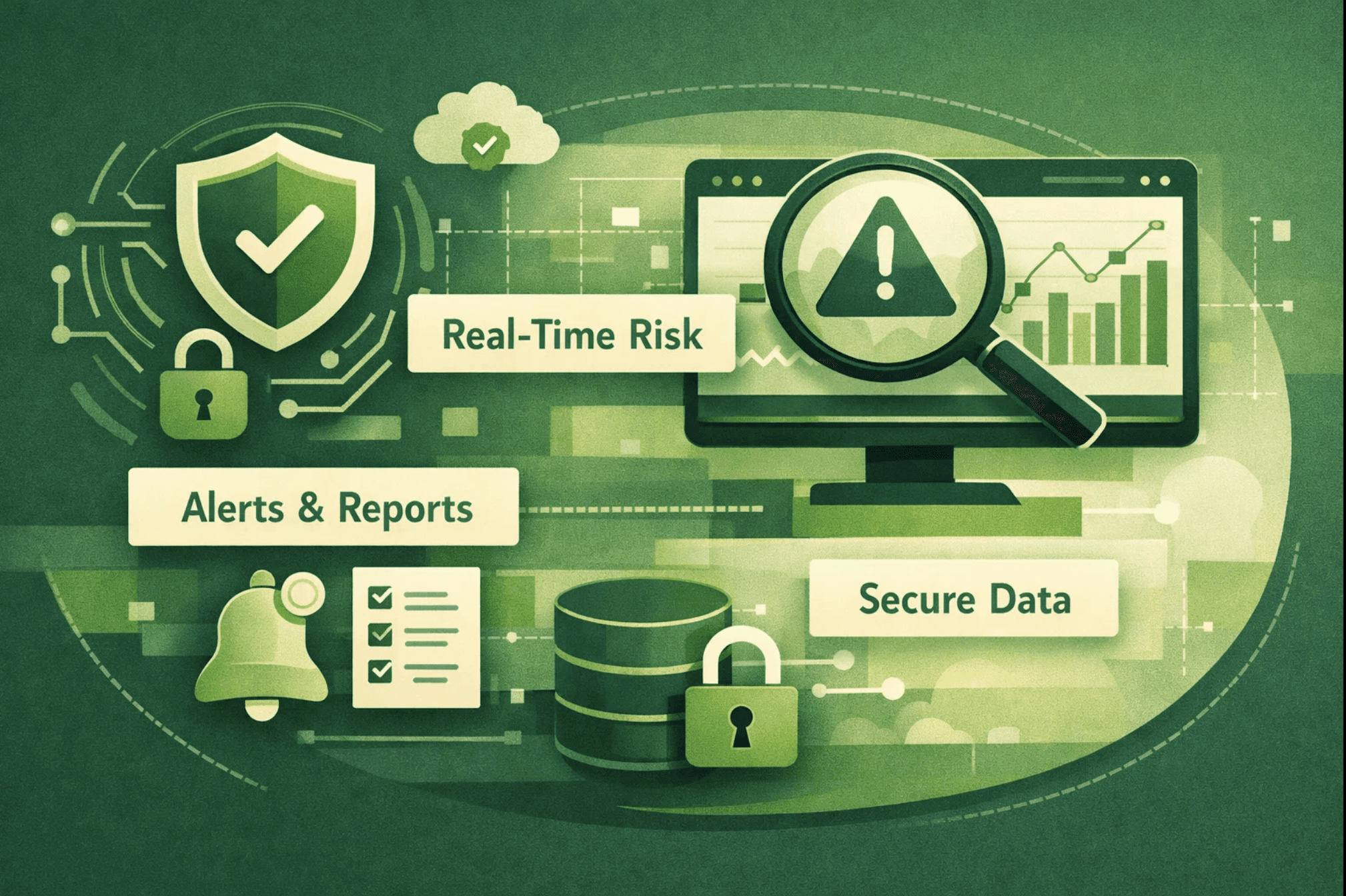
Continuous Compliance Monitoring: From Quarterly Audits to Real-Time Risk Management
Traditional quarterly audits create dangerous gaps in security coverage. Organizations prepare documentation for weeks before audit deadlines. During this time compliance violations occur undetected between review cycles. The 2025 regulatory environment demands a different approach through continuous compliance monitoring that removes these blind spots.
This article shows how real-time compliance monitoring changes compliance from periodic checkbox exercises into proactive compliance management. Security leaders will learn how continuous controls monitoring prevents audit failures while building stronger security and maintaining customer trust through clear compliance practices.
Understanding Continuous Compliance Monitoring
Continuous compliance monitoring represents an operational shift from periodic assessments to automated real-time tracking of security controls and policy adherence. The system tracks whether organizations meet regulatory requirements and internal security standards rather than waiting for scheduled audit periods.
Traditional compliance audits examine historical snapshots of security posture at specific moments. Organizations stay compliant from audit day until changes happen. These changes pile up without tracking until the next review cycle introduces new security gaps. This approach worked when regulatory frameworks stayed static, and security threats moved slowly.
Modern compliance frameworks, including SOC 2, ISO 27001, and HIPAA, now stress continuous controls monitoring. Regulatory bodies recognize that quarterly reviews cannot detect rapidly changing threats or configuration changes that introduce security gaps within hours.
Continuous monitoring platforms connect directly with infrastructure through APIs to track security configurations, access controls, and policy enforcement automatically. The system creates real-time alerting when configurations drift from approved states or when controls fail effectiveness testing. This automated compliance monitoring reduces manual efforts while providing security teams with immediate compliance posture visibility across all systems.
Core Components of Continuous Monitoring Systems
Effective continuous compliance monitoring combines several connected technologies that work together to maintain security standards and regulatory adherence.
Automated Control Testing and Evidence Collection
The foundation of continuous monitoring involves automated control testing on scheduled intervals. The system checks that controls stay effective by testing actual system configurations against documented security policies. When control test results show failures, the system flags the issue for immediate action.
DSALTA continuous monitoring performs hourly automated tests across cloud compliance monitoring infrastructure, identity systems, and security tools. The platform automatically collects evidence of control effectiveness and maps findings to relevant compliance framework monitoring requirements. Organizations using automated compliance monitoring report an 85% reduction in manual evidence gathering time. They achieve better compliance posture and visibility into actual security.
Real-Time Risk Detection and Alert Systems
Continuous monitoring tools analyze security events as they happen to spot potential compliance failures before they cause audit problems. The system monitors configuration drift detection, access pattern changes, and policy violations across infrastructure components.
Advanced monitoring platforms use machine learning compliance monitoring to establish baseline patterns for normal operations. The system creates alerts when activities move away from established baselines. This helps security teams investigate potential issues right away. This proactive compliance management prevents minor configuration errors from growing into major compliance gaps.
Centralized Compliance Dashboards and Reporting
Security leaders need unified visibility across multiple frameworks and systems to maintain complete compliance programs. Continuous monitoring platforms provide centralized compliance dashboards that display compliance status for all frameworks in real-time. The dashboard shows which controls pass automated testing and which need action.
Automated compliance reporting creates audit-ready documentation on demand rather than requiring weeks of preparation before scheduled audits. The system keeps complete audit trails. These trails show when teams tested controls and collected evidence and resolved issues. This documentation shows continuous compliance efforts to auditors. It reduces audit preparation time by 90% according to industry research. Organizations achieve continuous audit readiness instead of seasonal preparation cycles.
Key Advantages Over Traditional Quarterly Audits
Organizations using automated compliance monitoring achieve measurable improvements compared to traditional approaches.
Immediate Compliance Drift Detection
Continuous monitoring flags violations within hours instead of months after they occur. Traditional audits find issues only during scheduled reviews. By this time organizations have worked outside compliance for long periods. Real-time configuration monitoring enables teams to fix issues before violations create audit findings or data breaches. This compliance drift detection reduces the risk of security incidents.
Dramatically Reduced Audit Preparation
Traditional programs require weeks of evidence gathering before audits. Continuous compliance monitoring keeps audit-ready documentation throughout the year. This removes preparation scrambles. Organizations reduce audit prep from 4-6 weeks to 2-3 days. Automated evidence collection automates risk assessment and reduces manual efforts significantly.
Proactive Security Improvement
Continuous security monitoring enables security leaders to spot systemic weaknesses before they cause compliance failures. Organizations analyze control test patterns to address root causes. This proactive approach changes compliance from reactive exercises into strategic security improvement programs. Teams focus their compliance efforts on fixing underlying security issues rather than preparing documentation.
Implementing Continuous Monitoring: Practical Steps
Organizations can implement real-time compliance monitoring through phased approaches that minimize disruption while delivering immediate value.
Phase 1: Identify High-Priority Controls for Automation
Start by selecting controls that use the most manual work in current compliance programs. Evidence collection for cloud security configurations, access control checks, and policy reviews typically offers the highest return on automation investment.
Map these priority controls to available connections in continuous monitoring tools. Most compliance monitoring platforms connect with common cloud providers like AWS, Azure, and Google Cloud. They also connect with identity platforms and security tools. Check that your infrastructure uses compatible technologies before selecting monitoring platforms.
Phase 2: Establish Baseline Configurations and Alert Policies
Define approved configurations for systems that real-time configuration monitoring will track. Document current security settings, access permissions, and policy enforcement that represent compliant states. The monitoring system will compare actual configurations against these baselines to detect drift.
Set alert thresholds that balance sensitivity with practical operations. Too many alerts create noise that security teams ignore. Too few alerts miss important violations. Start with conservative thresholds. Adjust based on actual alert volumes during initial setup periods. This helps businesses operate efficiently while maintaining security.
Phase 3: Integrate with Response Workflows
Connect monitoring alerts to existing incident response processes and ticketing systems. DSALTA continuous monitoring automatically creates tickets with relevant context when violations occur. This streamlines fixing issues without manual tracking. This approach automates evidence collection and reduces the time teams spend on compliance tasks.
Continuous Monitoring Best Practices for Maximum Impact
Keep systematic documentation of automated monitoring outputs to support compliance demonstrations. Schedule quarterly reviews of monitoring configurations to align with changing requirements. Invest in team training on reading alerts and using dashboard interfaces well. Start with a single framework focus before expanding to multiple compliance standards. These continuous monitoring best practices help organizations continuously improve their security and compliance programs.
Measuring Continuous Monitoring ROI
Time savings:
Evidence collection: 85% reduction in the time spent on manual work
Audit preparation: 90% time savings, reducing the risk of last-minute issues
Automated control testing: Hourly instead of quarterly manual testing
Issue detection: Hours instead of months, providinga comprehensive view
Risk reduction:
Violation exposure: Hours instead of months as a key component
Audit findings: 70-80% reduction in compliance failures
Earlier incident detection of emerging threats
Enhanced customer trust via transparent compliance, providing a competitive advantage
Financial impact:
Platform cost: $2,000-$6,000 monthly for automated solutions
Avoided fixing costs: $20,000-$100,000 per prevented failure
ROI timeline: 4-6 months for most organizations
Continuous Monitoring Scales with Startup Growth
Startups benefit greatly because automated compliance monitoring scales naturally without adding more staff. Early-stage companies build strong security foundations that support rapid growth while staying audit-ready. DSALTA provides pre-set monitoring for common startup frameworks. This approach reduces setup time from months to weeks. The system helps monitor compliance across frameworks while identified risks are addressed quickly.
The Future: Continuous Monitoring as Standard Practice
Regulatory bodies now require real-time visibility rather than periodic snapshots. Machine learning compliance monitoring improves detection accuracy while cutting false alerts. Organizations using real-time compliance monitoring gain advantages in customer trust and operational efficiency. Choose platforms based on how well they connect and how much they automate. This changes compliance from a burden into a strategic security advantage. The risk detection automation and risk profile monitoring capabilities provide businesses with the tools they need to stay secure.
Start continuous compliance monitoring today: Schedule a demo to see how DSALTA's real-time monitoring platform keeps you audit-ready across frameworks. Or explore our compliance automation solutions to learn about setup approaches.
Explore more SOC 2 articles
Getting Started with SOC 2
Audit Preparation & Evidence
Controls & Technical Implementation
Multi-Framework Strategy
Business & Trust
Stop losing deals to compliance.
Get compliant. Keep building.
Join 100s of startups who got audit-ready in days, not months.