SOC 2
SOC 2 in 3 Months: Proven Hacks and Mock Audit Templates to Fast-Track Compliance
Written by
DSALTA Team
|
Published on
Feb 3, 2026
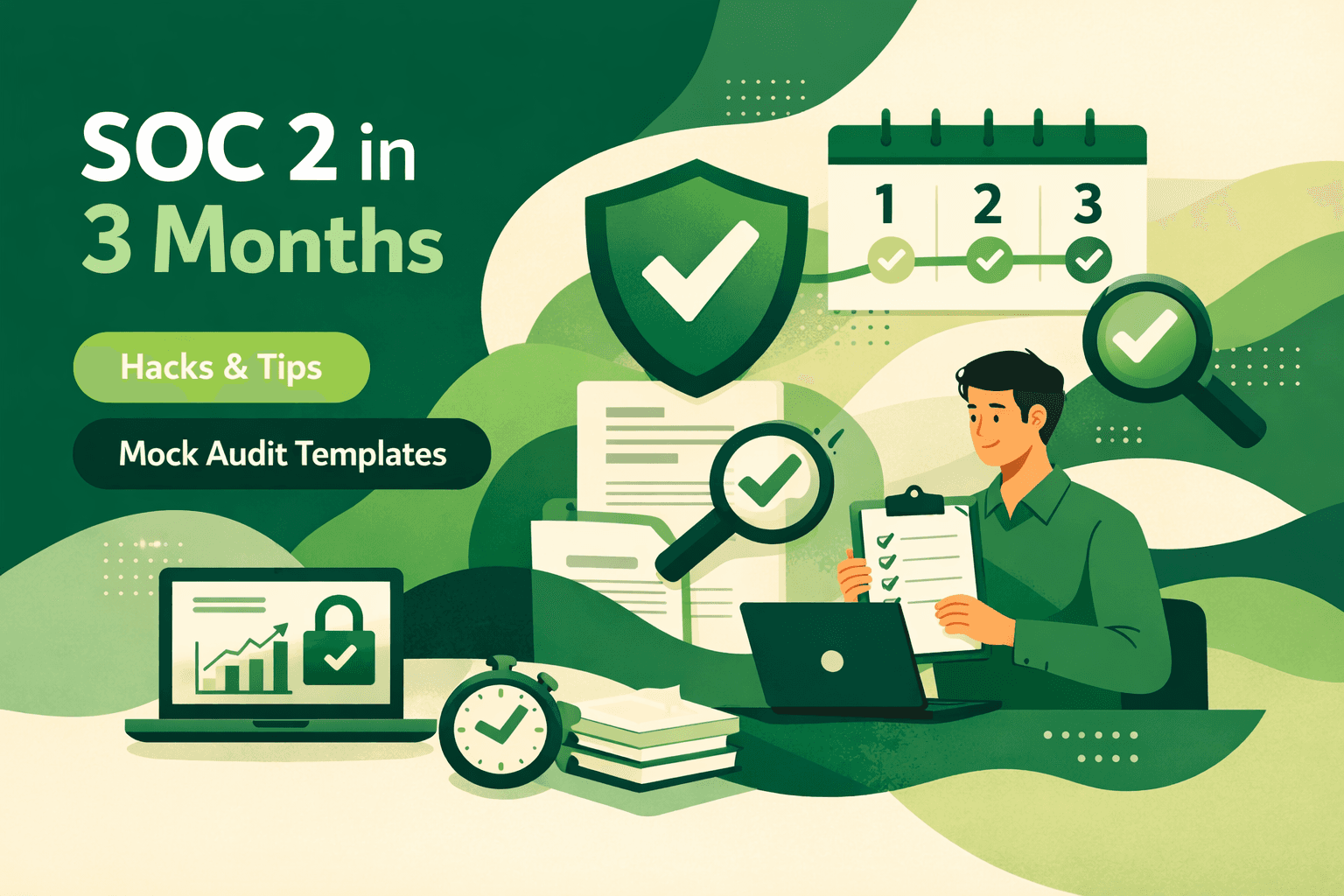
Achieving SOC 2 compliance can feel overwhelming, especially when you're racing against tight deadlines. The good news? With the right strategies, templates, and expert hacks, you can complete your SOC 2 audit in just 3 months. This guide breaks down the essential steps, provides practical shortcuts, and offers mock audit templates to help your startup or business fast-track compliance without compromising quality.
What is SOC 2 Compliance and Why Does It Matter?
SOC 2 (Service Organization Control 2) is a security framework developed by the American Institute of CPAs (AICPA) that evaluates how organizations handle customer data. For AI startups and SaaS companies, SOC 2 certification demonstrates trust, security, and reliability to potential clients and partners.
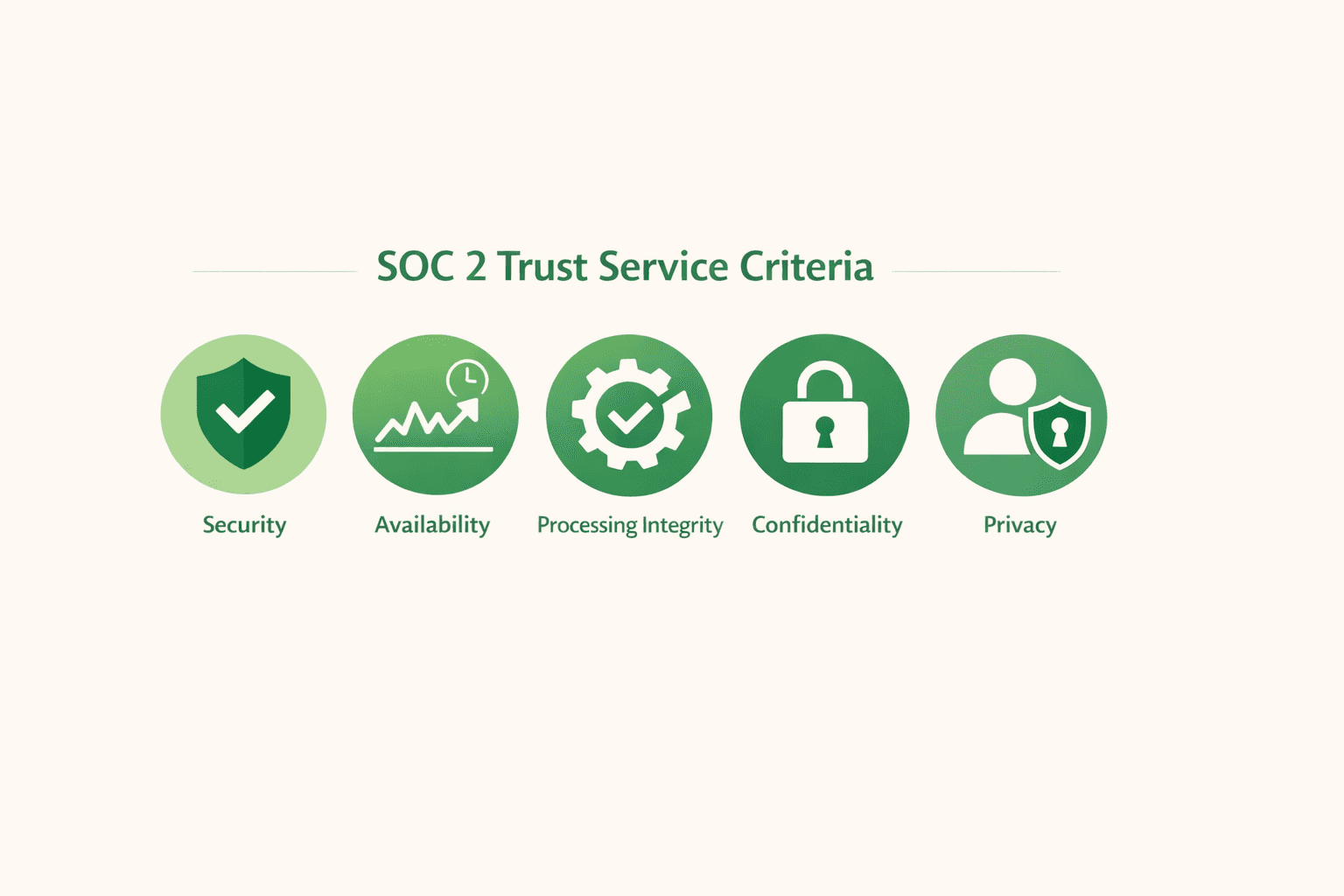
Without SOC 2 compliance, you risk losing enterprise clients who require proof of robust data security controls before signing contracts. The audit focuses on five Trust Service Criteria: Security, Availability, Processing Integrity, Confidentiality, and Privacy.
Can You Really Achieve SOC 2 in 3 Months?
Yes, but it requires strategic planning and focus. While the traditional SOC 2 process can take 6-12 months, many organizations successfully compress this timeline by leveraging automation tools, pre-built templates, and expert guidance.
Key Factors for a 3-Month Timeline:
Clear scope definition from day one
Dedicated compliance team or project owner
Automated compliance platforms like Vanta, Drata, or Secureframe
Mock audit preparation to identify gaps early
Executive buy-in and cross-functional collaboration
5 Essential Hacks to Complete SOC 2 in 3 Months
1. Start With a Readiness Assessment
Before diving into implementation, conduct a gap analysis to understand where your current security posture stands. This assessment identifies the controls you already have in place and those that need immediate attention.
Pro Tip: Use a SOC 2 readiness checklist to map your existing policies against the Trust Service Criteria. This gives you a clear roadmap and prevents wasted effort on areas where you're already compliant.
2. Leverage Pre-Built Policy Templates
Don't reinvent the wheel. Utilize pre-built SOC 2 policy templates that cover essential areas like:
Information Security Policy
Access Control Policy
Incident Response Policy
Business Continuity and Disaster Recovery Policy
Vendor Management Policy
These templates save weeks of drafting time and ensure you meet auditor expectations. Many compliance platforms offer customizable templates that align with SOC 2 requirements.
3. Automate Evidence Collection
Manual evidence collection is time-consuming and error-prone. Instead, implement automated monitoring tools that continuously collect evidence of your security controls in action.
Tools like DSALTA's AI-powered compliance platform can automatically gather screenshots, logs, and reports for:
Employee access reviews
Security training completion
System vulnerability scans
Background check documentation
Automation reduces your preparation time by 60-70% and ensures you never miss critical evidence.
4. Conduct a Mock Audit at Month 2
Schedule an internal mock audit or pre-assessment around the 2-month mark. This practice run helps you identify control gaps, missing documentation, and potential audit findings before the real audit begins.
Mock Audit Checklist:
Review all policies for completeness and accuracy
Test technical controls like MFA, encryption, and access restrictions
Verify evidence collection for each control
Interview key personnel to ensure they understand their compliance responsibilities
Document any remediation items and assign owners
5. Choose the Right Auditor Early
Don't wait until month 3 to find an auditor. Engage with CPA firms specializing in SOC 2 audits from day one. Early engagement allows auditors to provide guidance, review your scope, and schedule the audit fieldwork efficiently.
Look for auditors with experience in your industry (AI, SaaS, fintech) who understand modern technology stacks and cloud infrastructure.
Your 3-Month SOC 2 Roadmap
Month 1: Foundation and Scoping
Define audit scope and Trust Service Criteria
Complete gap analysis and readiness assessment
Select a compliance automation platform
Implement pre-built policy templates
Assign control owners and create a project timeline
Begin employee security awareness training
Month 2: Implementation and Evidence Collection
Deploy technical controls (MFA, encryption, logging)
Configure automated evidence collection
Conduct vendor risk assessments
Implement access control procedures
Document all processes and controls
Perform an internal mock audit
Address gaps identified in the mock audit
Month 3: Audit Preparation and Execution
Complete final evidence review
Conduct management interviews and walkthroughs
Provide documentation to the auditor
Participate in fieldwork and testing
Address any audit inquiries promptly
Receive and review the SOC 2 report
Free Mock Audit Templates to Accelerate Your Process
To help you succeed, here are essential mock audit templates you should use:
1. Control Matrix Template
Map each SOC 2 control to your implementation evidence, testing procedures, and responsible parties. This centralized document becomes your audit roadmap.
2. Evidence Collection Checklist
Track every piece of evidence required for your audit, including policy documents, system screenshots, reports, and employee acknowledgments.
3. Risk Assessment Template
Document your information security risk assessment process, including identified risks, likelihood ratings, impact analysis, and mitigation strategies.
4. Vendor Management Tracker
Maintain a comprehensive list of third-party vendors, their risk classifications, security questionnaire responses, and SOC 2 reports.
5. Incident Response Runbook
Create a detailed playbook for detecting, responding to, and documenting security incidents that demonstrates your incident management capabilities.
Common SOC 2 Pitfalls and How to Avoid Them
Incomplete Documentation
Solution: Use documentation templates and assign clear ownership for each policy. Schedule weekly review sessions to ensure completeness.
Lack of Executive Involvement
Solution: Secure executive sponsorship early. Leadership buy-in ensures resources, prioritization, and organization-wide cooperation.
Scope Creep
Solution: Define a clear, focused scope from the start. For your first SOC 2, consider starting with Security (Type I) only, then expanding to other criteria and Type II in subsequent audits.
Insufficient Testing Period
Solution: For SOC 2 Type II, remember you need evidence over a minimum 3-month period. Plan accordingly if you're pursuing Type II certification.
How AI and Automation Transform SOC 2 Compliance
Modern AI-powered compliance platforms like DSALTA revolutionize the SOC 2 process by:
Automatically mapping controls to your technology stack
Continuously monitoring security configurations and access controls
Generating evidence packages with minimal manual effort
Providing real-time dashboards showing compliance status
Alerting teams to control failures before they become audit findings
This technology reduces compliance overhead by up to 75%, allowing your team to focus on building your product rather than managing spreadsheets.
Is Your Organization Ready for SOC 2?
Ask yourself these critical questions:
Do we have documented information security policies?
Is multi-factor authentication enforced across all systems?
Do we conduct regular security awareness training?
Are access reviews performed quarterly?
Do we have an incident response plan?
Is customer data encrypted in transit and at rest?
If you answered "no" to multiple questions, you have work to do—but the 3-month timeline is still achievable with focused effort.
Next Steps: Start Your SOC 2 Journey Today
Achieving SOC 2 compliance in 3 months requires dedication, the right tools, and expert guidance. Start by downloading our free SOC 2 Readiness Assessment and mock audit templates to identify your current compliance gaps.
Ready to accelerate your compliance journey? DSALTA's AI-powered platform provides everything you need to achieve SOC 2 certification faster, including automated evidence collection, pre-built policies, and expert advisory services.
Get started with DSALTA today and join hundreds of startups who achieved SOC 2 compliance in record time without sacrificing security or quality.
People Also Ask
How long does SOC 2 certification take? SOC 2 certification typically takes 6-12 months, but with proper planning, automation, and focused effort, organizations can complete the process in as little as 3 months for a Type I audit.
What is the difference between SOC 2 Type I and Type II?
SOC 2 audit costs range from $20,000 to $100,000+, depending on company size, scope, complexity, and whether you're pursuing Type I or Type II certification.
How much does a SOC 2 audit cost?
SOC 2 audit costs range from $20,000 to $100,000+, depending on company size, scope, complexity, and whether you're pursuing Type I or Type II certification.
Do I need SOC 2 for my startup?
If you're selling B2B SaaS or handling sensitive customer data, SOC 2 is often required by enterprise customers during procurement and security reviews.
Can I do SOC 2 without a compliance platform?
While possible, manual SOC 2 preparation is extremely time-consuming and error-prone. Compliance platforms reduce workload by 60-70% and significantly shorten your timeline.
Continue Reading

SOC 2 in 3 Months: Proven Hacks and Mock Audit Templates to Fast-Track Compliance
Compliance
HR Audit Prep: DEI, Harassment & Compliance Playbook Guide
Compliance
Cyber Compliance for SaaS: Ransomware Defense, Continuous Monitoring & DORA/ISO 27001 Evidence Gathering
How to Master Third-Party Risk Management: A Complete Guide to Vendor Compliance