NIS2 Directive Compliance Checklist for 2026
Written by
Published on
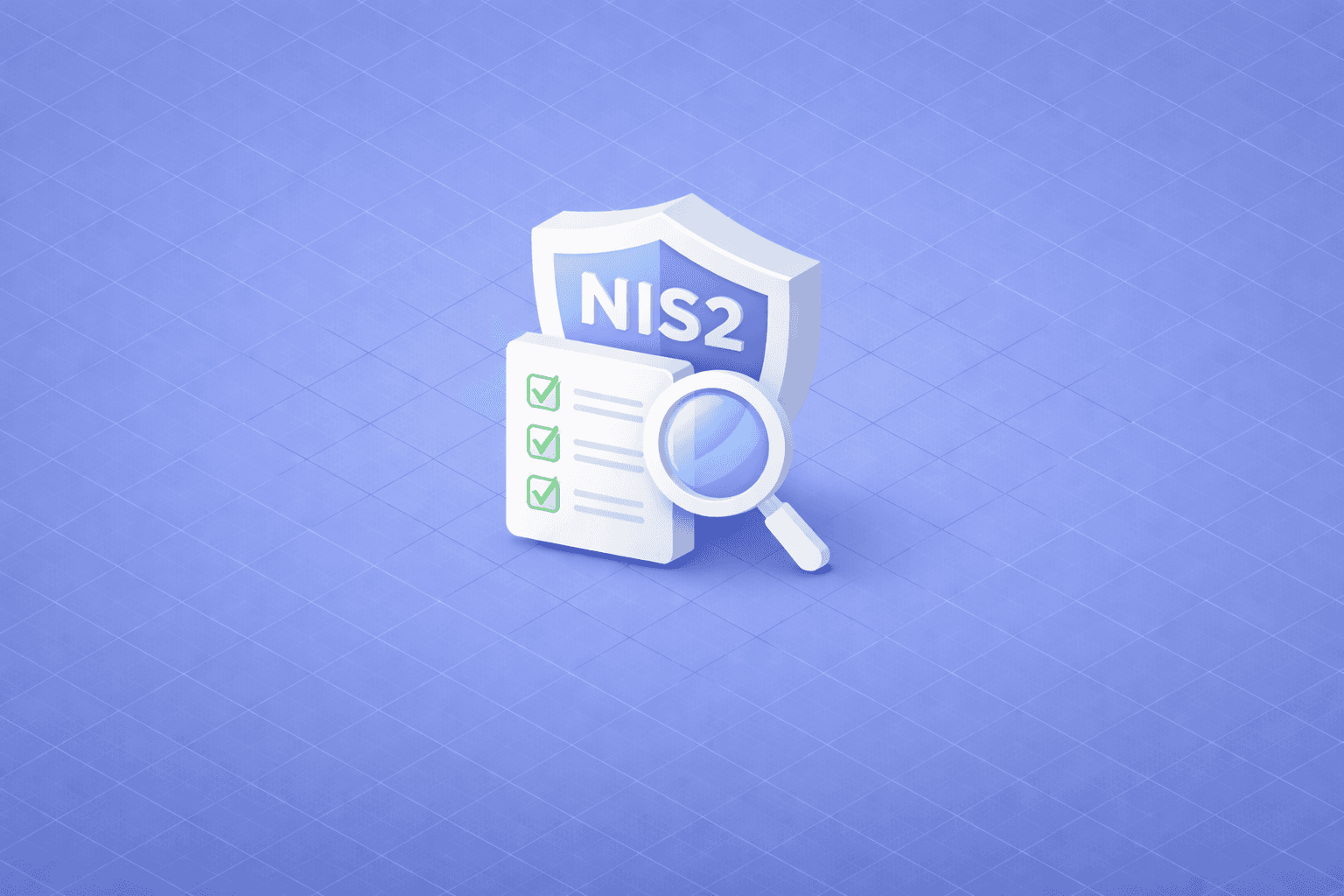
If you do business in the European Union, you know that staying on top of regulations can feel like a full-time job. Just when you’ve wrapped your head around GDPR, another acronym comes along. The latest one you absolutely need to know is NIS2.
The NIS2 Directive is a major update to the EU’s cybersecurity rules, and its compliance deadline is fast approaching. It’s a lot more than just a refresh of the original NIS Directive; it expands the scope to cover more sectors, beefs up security requirements, and introduces some serious penalties for not getting it right.
For many businesses, the big question is, “Where do we even start?” It can feel overwhelming, but breaking it down into manageable steps makes it much clearer. This checklist is designed to give you a practical, no-nonsense starting point for your NIS2 compliance journey.
First Things First: Are You Covered by NIS2?
Before you dive into the details, you need to determine whether NIS2 even applies to your organization. The directive splits companies into two main categories: essential entities and important entities.
Essential Entities: These are organizations in critical sectors like energy, transport, healthcare, banking, and digital infrastructure. Think of them as the backbone of the economy and society. They face the highest level of scrutiny and penalties.
Important Entities: This category is much broader and includes sectors like postal and courier services, waste management, manufacturing of certain critical products, digital providers (like online marketplaces and search engines), and managed service providers.
Generally, if you’re a medium-to-large organization operating in one of these sectors within the EU, you should assume NIS2 applies to you. Each member state will publish a definitive list, but it’s far better to be proactive than to wait for a notification.
Your Step-by-Step NIS2 Compliance Checklist
Alright, let's get into the practical steps. Think of this as your roadmap to getting ready for NIS2.
Step 1: Conduct a Formal Risk Assessment
You can't protect what you don't understand. The heart of NIS2 is risk management. You need to conduct a thorough risk assessment to identify all potential threats to your network and information systems. This isn’t just a technical exercise; it should involve people from across your business to understand the real-world impact of a potential incident. This process will be the foundation of your entire security strategy.
Step 2: Implement Core Security Measures
NIS2 mandates a minimum set of security measures that all covered entities must implement. This is your baseline for defense. While not exhaustive, the list includes:
Policies on risk analysis and information system security.
An incident handling plan.
Business continuity and crisis management plans.
Supply chain security, including assessing the security of your direct suppliers and service providers. (Your Vendor Risk Management program is crucial here).
Security in network and information systems acquisition, development, and maintenance.
Policies and procedures to assess the effectiveness of your cybersecurity risk management measures.
Basic cyber hygiene practices and cybersecurity training.
Policies regarding the use of cryptography and, where appropriate, encryption.
Human resources security, access control policies, and asset management.
The use of multi-factor authentication (MFA) or continuous authentication solutions.
Step 3: Get Your Incident Reporting Process Ready
This is a big one. NIS2 has very strict incident reporting timelines. When a significant incident occurs, you can’t afford to be figuring out who to call. You need a well-documented and tested process. The timeline is tight:
24-Hour Early Warning: You must submit an initial notification to your national authority (like a CSIRT) within 24 hours of becoming aware of a significant incident.
72-Hour Detailed Notification: Within 72 hours, you need to follow up with a more detailed report that includes an initial assessment of the incident’s severity and impact.
One-Month Final Report: A final, comprehensive report is due one month after the incident notification, detailing the root cause, mitigation measures taken, and the overall impact.
Automating this process as much as possible is key. Having a centralized platform where you can track incidents and manage communications will be a lifesaver when the pressure is on.
Step 4: Secure Your Supply Chain
NIS2 makes it clear: you are responsible for the security of your entire supply chain. You can’t just trust that your vendors are secure; you have to verify it. This means performing due diligence on your suppliers, including them in your risk assessments, and ensuring your contracts have clear cybersecurity clauses. A weak link in your supply chain is a direct threat to your own compliance.
Step 5: Document Everything and Train Your People
Compliance isn't just about having the right tools; it's about having the right processes and people. Document all your policies, procedures, and risk assessments. This documentation is what you’ll show auditors to prove you’re compliant.
And don’t forget your team. Regular cybersecurity training is a specific requirement under NIS2. Your employees need to be able to spot a phishing email, understand the importance of strong passwords, and know what to do if they suspect a security incident.
The Cost of Doing Nothing
The penalties for non-compliance with NIS2 are severe and designed to be a real deterrent. For essential entities, fines can go up to €10 million or 2% of the company’s total global annual turnover, whichever is higher. For important entities, it’s up to €7 million or 1.4% of turnover.
Beyond the fines, national authorities have the power to suspend certifications and even hold senior management personally liable for security failings. The message from the EU is clear: cybersecurity is a board-level responsibility.
How Automation Can Help
Reading through this checklist, it’s easy to see how manual processes can quickly become overwhelmed. Juggling risk assessments, control monitoring, incident reporting, and vendor management with spreadsheets and emails is a recipe for failure.
This is where compliance automation becomes essential. A platform like Dsalta can help you streamline your entire NIS2 compliance program. It gives you a central place to manage risks, monitor your security controls in real-time, automate evidence collection, and manage your incident response process.
Instead of dreading an audit, you can be audit-ready at all times. It transforms compliance from a painful, periodic scramble into a continuous, manageable process.
Don't wait until the deadline is looming. Book a demo to see how Dsalta can simplify your path to NIS2 compliance.

Explore more GRC articles
Compliance Fundamentals for Startups
Audit Preparation & Management
Regulatory Compliance
Risk Management & Insurance
Stop losing deals to compliance.
Get compliant. Keep building.
Join 100s of startups who got audit-ready in days, not months.