HIPAA —
HIPAA Compliance Best Practices
Discover the top HIPAA compliance best practices your organization need. From risk assessments to employee training, stay compliant and avoid costly violations.
DSALTA Team
HIPAA Compliance Essentials
Share this article


HIPAA Best Practices
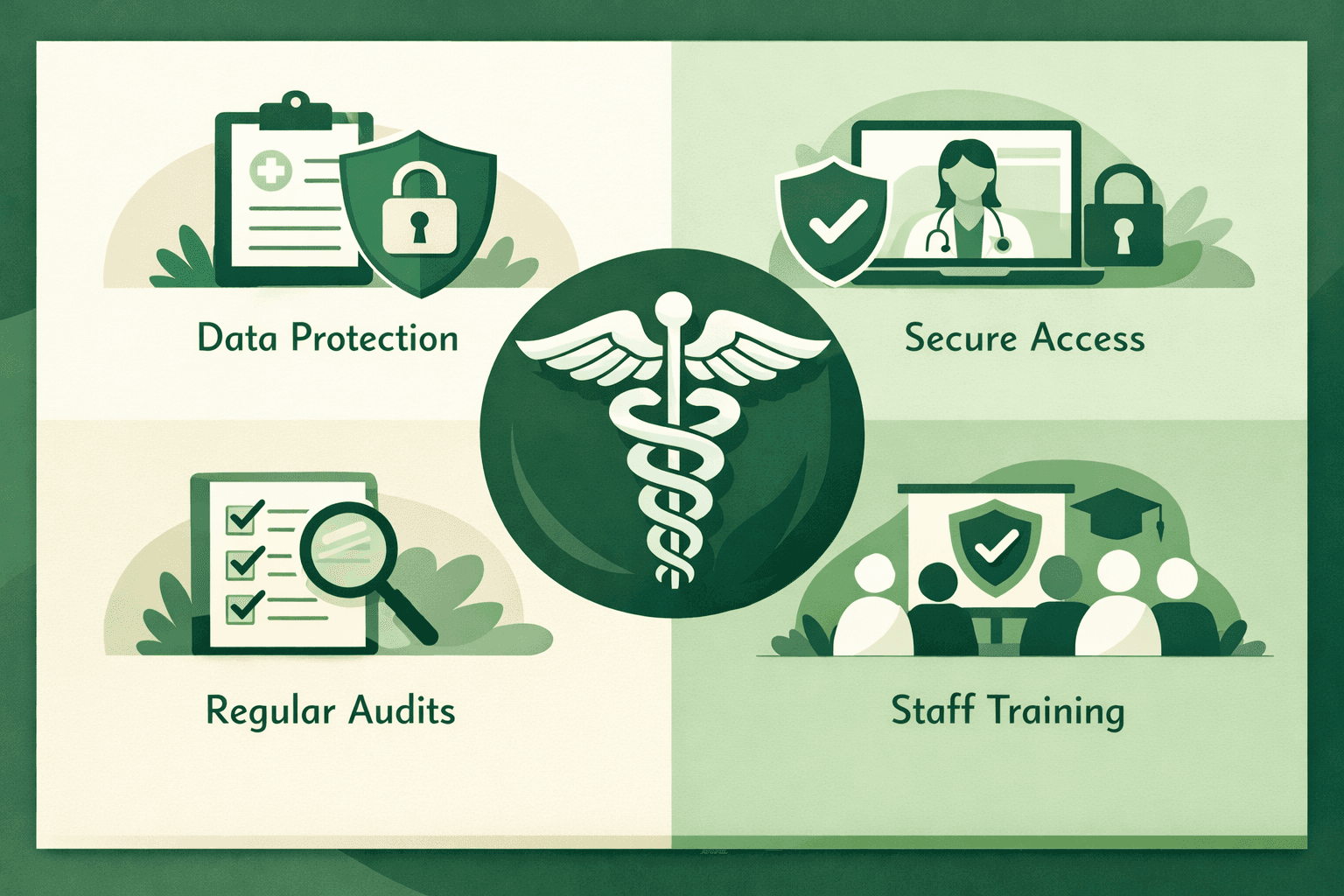
Staying HIPAA-compliant is not a one-time checklist — it is an ongoing process that requires consistent effort, up-to-date policies, and proactive risk management. Whether you are a healthcare provider, business associate, or AI-powered health tech company, these best practices will help you maintain compliance, protect patient data, and avoid costly penalties.
What Is Ongoing HIPAA Compliance?
Ongoing HIPAA compliance means continuously meeting the requirements set by the Health Insurance Portability and Accountability Act (HIPAA) — not just at implementation, but every day your organization handles Protected Health Information (PHI). The Department of Health and Human Services (HHS) enforces HIPAA and can issue fines ranging from $100 to $50,000 per violation.
Ongoing compliance covers three core rules:
The Privacy Rule
The Security Rule
1. Conduct Regular HIPAA Risk Assessments
The single most important step in maintaining HIPAA compliance is conducting a thorough, documented risk assessment at least once per year — and after any major operational change.
Your risk assessment should:
Identify all locations where PHI is stored, transmitted, or processed
Evaluate threats and vulnerabilities to that data
Assess the likelihood and impact of each identified risk
Document findings and corrective action plans
Why Risk Assessments Matter
The HHS Office for Civil Rights (OCR) has made risk analysis failures the most-cited violation in HIPAA enforcement actions. A documented, up-to-date assessment is your first line of defense.
2. Train Employees Continuously — Not Just Once
Human error is the leading cause of healthcare data breaches. A workforce that does not understand HIPAA rules is a liability, regardless of how strong your technical safeguards are.
Best practices for HIPAA training include:
Onboarding training for all new hires before they access PHI
Annual refresher training for all staff
Role-specific training for those who handle PHI directly
Phishing simulation exercises to reinforce email security awareness
Documenting all training sessions with dates and employee signatures
Building a Culture of Compliance
Compliance should not feel like a one-time HR formality. When leadership prioritizes privacy and security year-round, employees follow suit. Consider monthly micro-trainings, internal newsletters, and clear escalation protocols for reporting suspicious activity.
3. Keep Policies and Procedures Updated
HIPAA requires covered entities and business associates to maintain written policies and procedures that reflect current operations. If your technology, workflows, or business relationships change, your documentation must change too.
Key documents to review and update regularly:
Notice of Privacy Practices (NPP)
Data Access and Authorization Policies
Incident Response and Breach Notification Plan
Sanctions Policy for workforce violations
Reviewing Business Associate Agreements (BAAs)
Every vendor, contractor, or third-party service that touches PHI on your behalf must have a signed, current BAA in place. Audit your vendor list at least once per year and update agreements whenever services or data flows change.
4. Implement Strong Access Controls
Limiting who can access PHI — and under what conditions — is a cornerstone of the HIPAA Security Rule. The principle of least privilege means employees should have only the access they need to do their jobs.
Access control best practices include:
Unique user IDs for every employee (no shared logins)
Role-based access control (RBAC) tied to job function
Multi-factor authentication (MFA) for all systems containing PHI
Automatic session timeouts for inactive users
Immediate access revocation when employees leave or change roles
Privileged Access Monitoring
Audit logs should track who accesses PHI, when, and from where. Review these logs regularly for unusual activity, and use automated alerting to flag anomalies in real time.
5. Encrypt PHI at Rest and in Transit
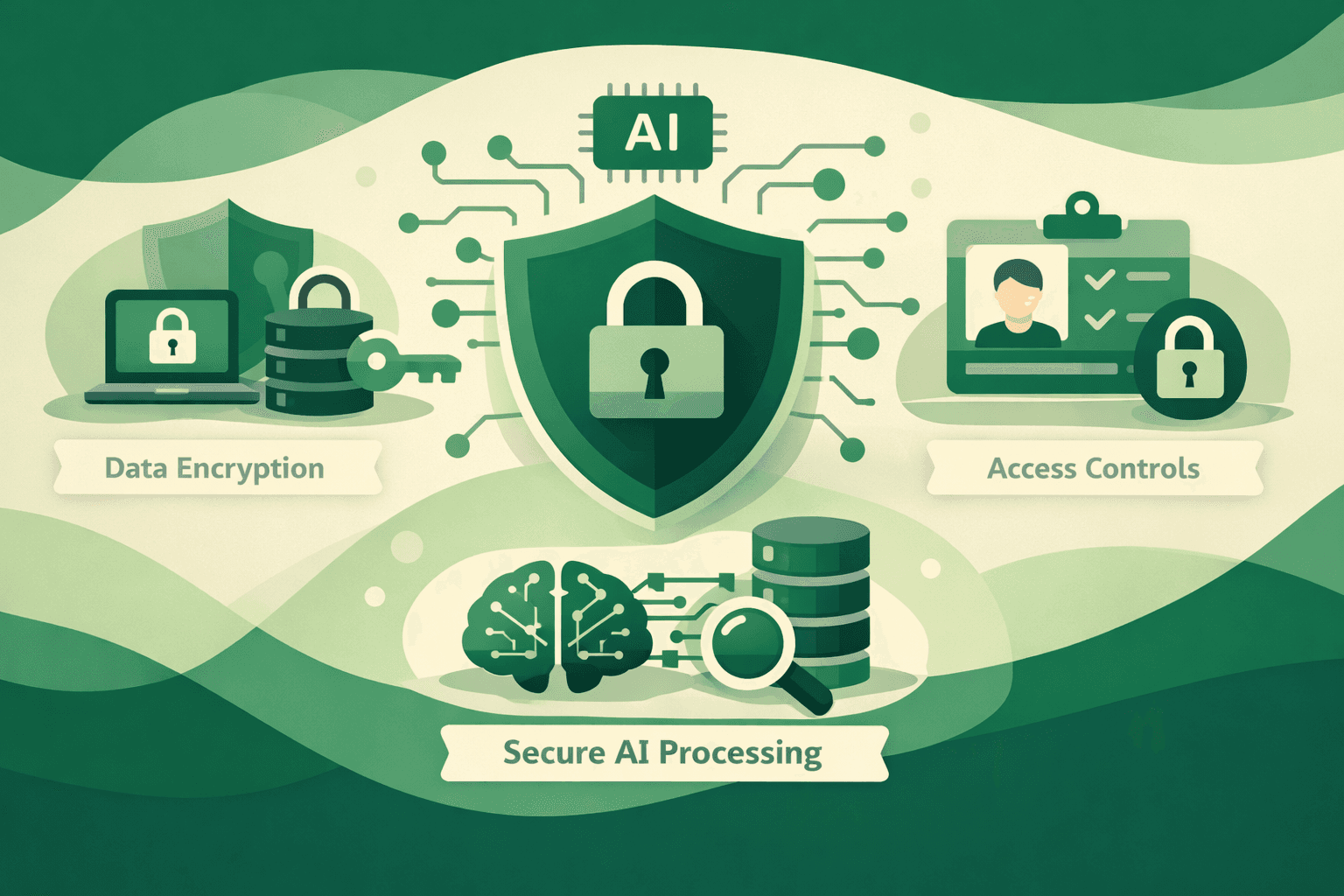
Encryption is classified as an addressable implementation specification under HIPAA — meaning you must either implement it or document a valid reason why you have not. In practice, encryption is the industry standard and expected by auditors and regulators alike.
Encryption requirements to follow:
Use AES-256 encryption for data stored on servers, laptops, and mobile devices
Use TLS 1.2 or higher for all data transmitted over networks
Encrypt email communications containing PHI
Apply full-disk encryption on all portable devices
6. Develop and Test an Incident Response Plan
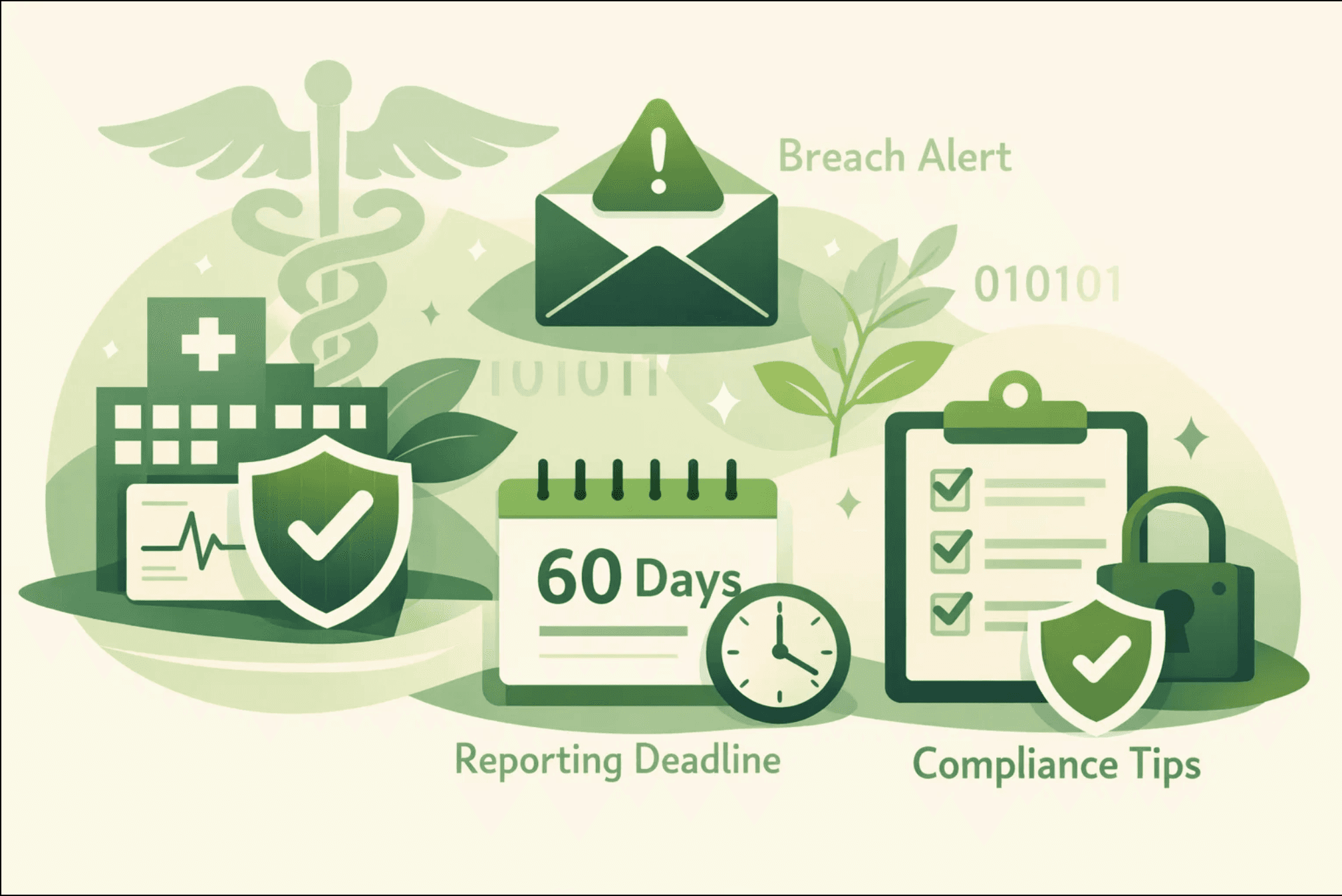
Even with the best safeguards in place, breaches can happen. HIPAA's Breach Notification Rule requires covered entities to notify affected individuals within 60 days of discovering a breach affecting 500 or more individuals, and to notify HHS and — in some cases — the media.
Your incident response plan should include:
Clear definitions of what constitutes a breach vs. a security incident
A designated response team with defined roles
Step-by-step containment and investigation procedures
Templates for breach notification letters
Escalation paths for large-scale incidents
Run Tabletop Exercises
At least once per year, run a simulated breach scenario with your response team. These tabletop exercises reveal gaps in your plan before a real incident occurs, and they demonstrate due diligence to regulators.
7. Monitor and Audit Your Compliance Program
Ongoing compliance requires ongoing visibility. Passive compliance — setting policies and hoping they are followed — is not enough.
Monitoring activities to build into your program:
Monthly internal audits of PHI access logs
Quarterly policy reviews for operational accuracy
Annual third-party HIPAA risk assessments or penetration testing
Continuous vulnerability scanning for systems that store or transmit PHI
Regular review of business associate compliance
Using AI-Powered Compliance Tools
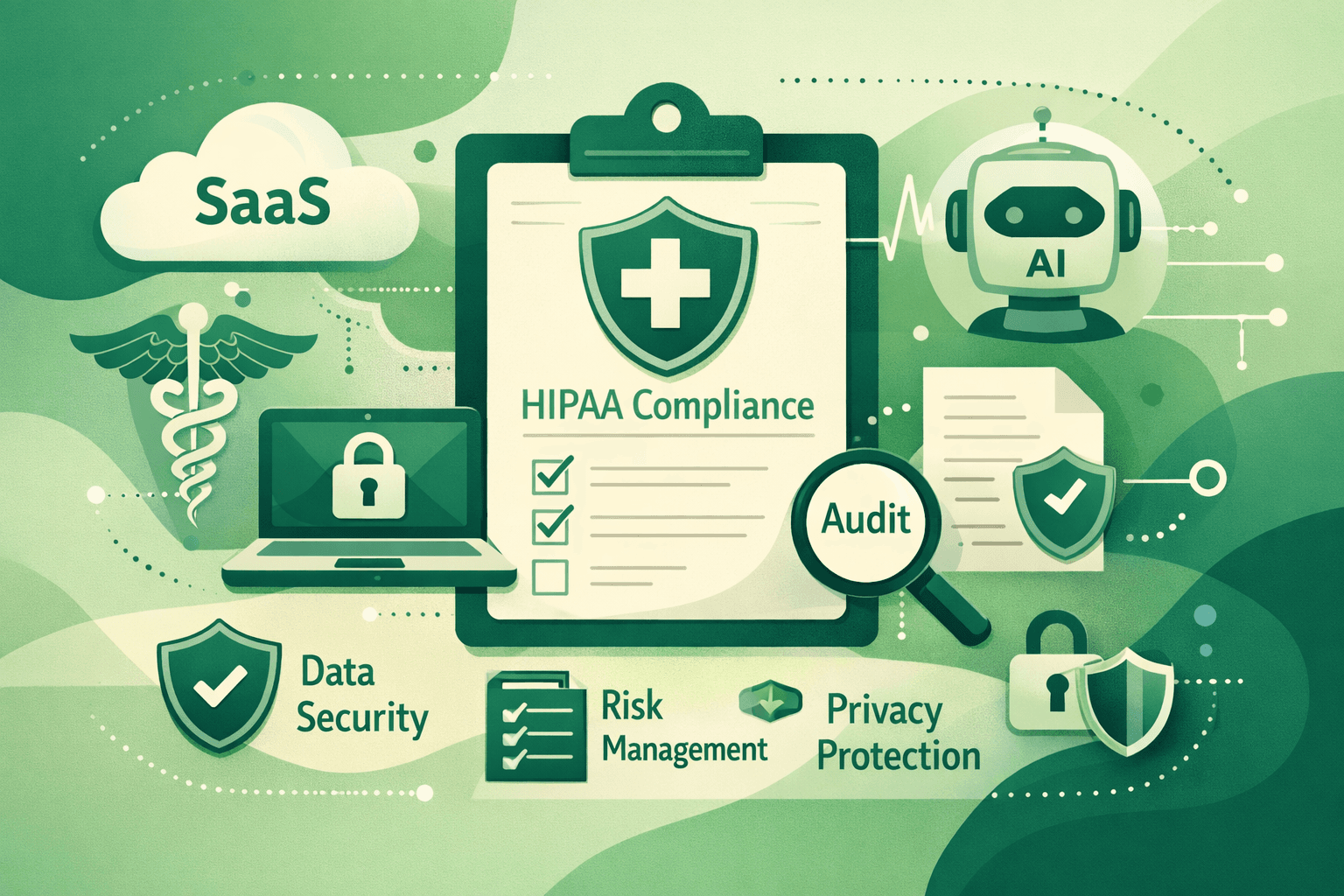
Modern compliance platforms — like DSALTA — leverage artificial intelligence to automate monitoring, flag compliance gaps in real time, and generate audit-ready reports. AI-driven compliance tools reduce the manual burden on your team while improving accuracy and coverage across your entire compliance program.
8. Manage Mobile Devices and Remote Work Risks
The rise of remote work and mobile health applications has created new HIPAA exposure points. Any device used to access, store, or transmit PHI must be included in your security program.
Mobile device management (MDM) best practices:
Enroll all corporate and BYOD devices in an MDM solution
Enforce screen lock and device encryption policies
Enable remote wipe capability for lost or stolen devices
Restrict PHI access on public or unsecured Wi-Fi networks
Maintain a complete inventory of all devices with PHI access
9. Prepare for HIPAA Audits Proactively
The OCR conducts both random and complaint-driven audits. Organizations that are audit-ready at all times fare significantly better than those that scramble when an inquiry arrives.
Audit readiness checklist:
Maintain a complete, dated record of all risk assessments
Keep training logs with employee acknowledgment signatures
Store all current and past BAAs in an accessible location
Document every security incident, even those that did not result in a breach
Retain all compliance documentation for a minimum of six years
How DSALTA Simplifies Ongoing HIPAA Compliance
DSALTA is an AI-powered compliance platform built to help healthcare organizations, digital health startups, and business associates stay continuously compliant — without drowning in paperwork or missing critical updates.
With DSALTA, you can:
Automate risk assessments and gap analysis
Receive real-time compliance alerts and policy update notifications
Generate audit-ready documentation on demand
Manage business associate agreements in one centralized hub
Track employee training completion and certification
Staying compliant is not just about avoiding fines — it is about earning patient trust, protecting your organization, and building a foundation for sustainable growth.
Frequently Asked Questions About HIPAA Compliance
How often should a HIPAA risk assessment be performed?
At a minimum, once per year — and any time there is a significant operational, technological, or organizational change.
What is the most common HIPAA violation?
Failure to conduct an adequate risk analysis is the most frequently cited violation in OCR enforcement actions.
Does HIPAA apply to AI tools used in healthcare?
Yes. Any AI tool that accesses, processes, or stores PHI on behalf of a covered entity is considered a business associate and must comply with HIPAA requirements, including signing a BAA.
What is the penalty for a HIPAA violation?
Fines range from $100 to $50,000 per violation, with an annual maximum of $1.9 million per violation category. Criminal penalties can also apply in cases of willful neglect or intentional misuse of PHI.
CONCLUSION:
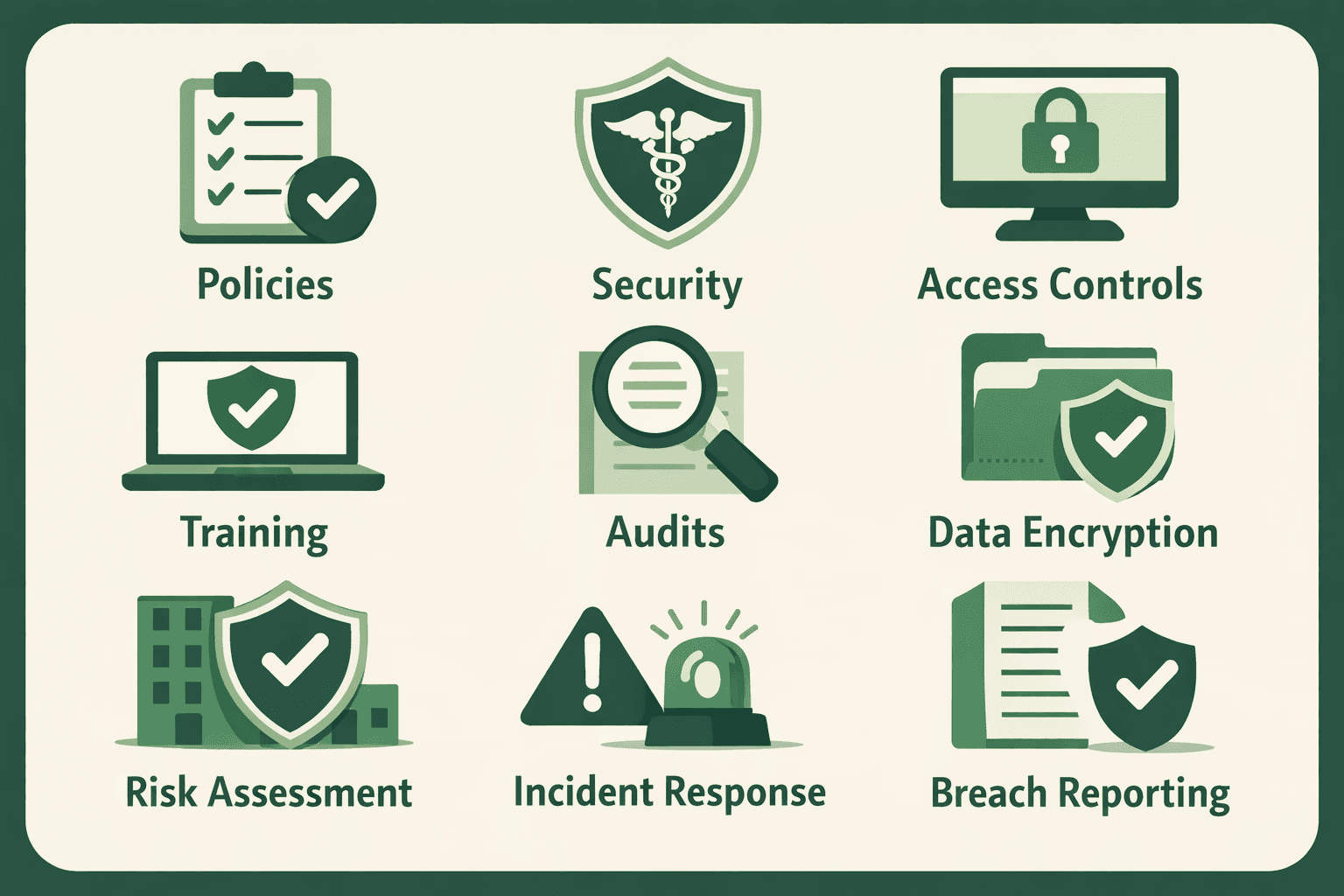
HIPAA compliance is a living program, not a one-time project. By building consistent habits around risk assessment, employee training, access control, encryption, and continuous monitoring, your organization can stay ahead of evolving threats and regulatory expectations.
DSALTA makes this process smarter, faster, and more reliable — so your team can focus on delivering great healthcare while we handle the compliance complexity.
Explore more HIPAA articles
Stop losing deals to compliance.
Get compliant. Keep building.
Join 100s of startups who got audit-ready in days, not months.