Audit Process —
ISO 27001 Certification Process
The ISO 27001 certification process includes ISMS setup, a two-stage audit, and ongoing reviews to maintain compliance.
Share this article


ISO 27001 Certification Process
Certification isn't a single audit — it's a sequence with a specific order, and skipping ahead in that order is one of the most common reasons organizations fail or delay their first certification attempt. This page covers the structure of that sequence at a level useful for planning; for a detailed walkthrough of each step, see ISO 27001 Certification: A Step-by-Step Guide.
Phase 1: Preparation and Readiness
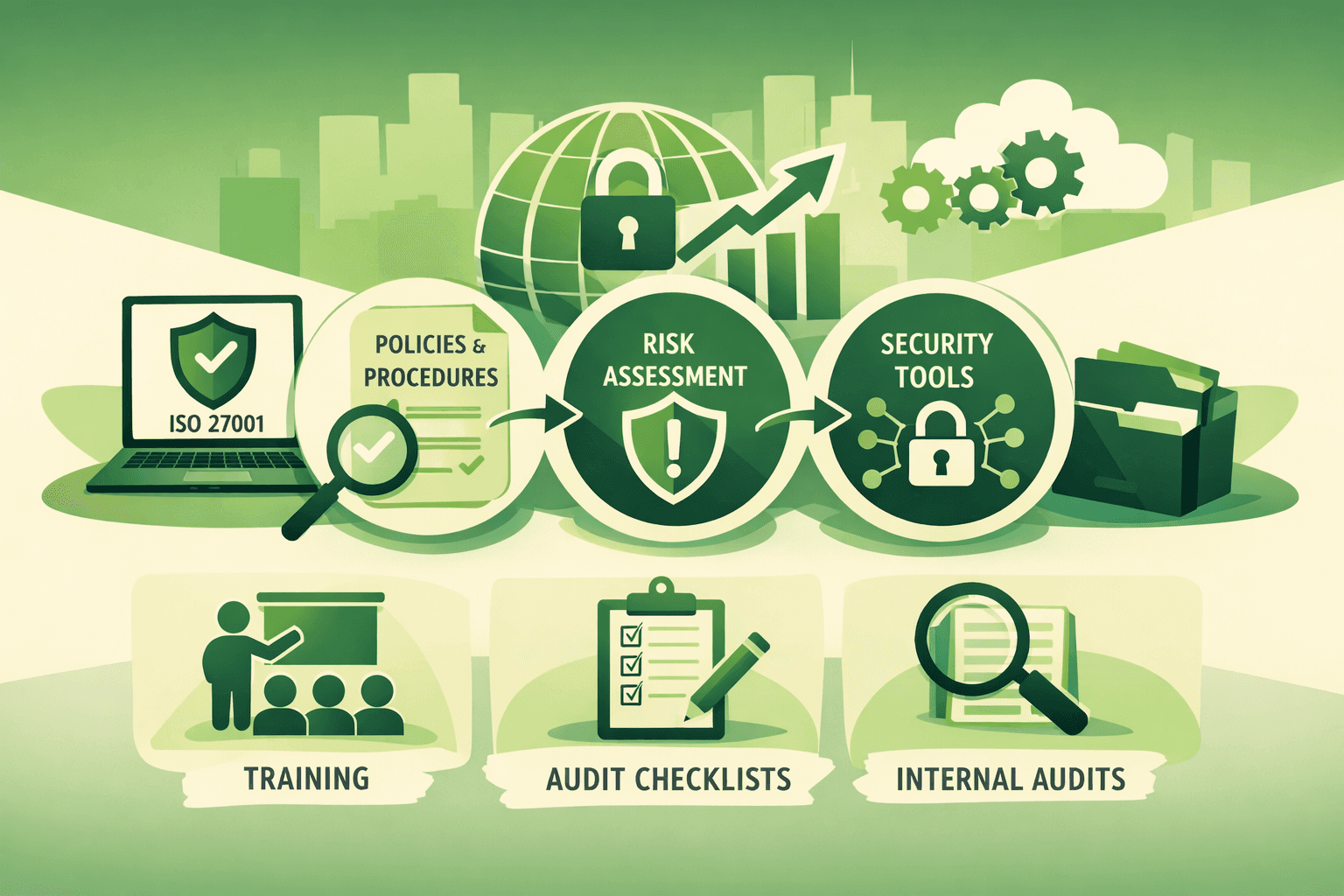
Before any certification body gets involved, the ISMS itself has to exist and function. This phase covers:
Defining ISMS scope
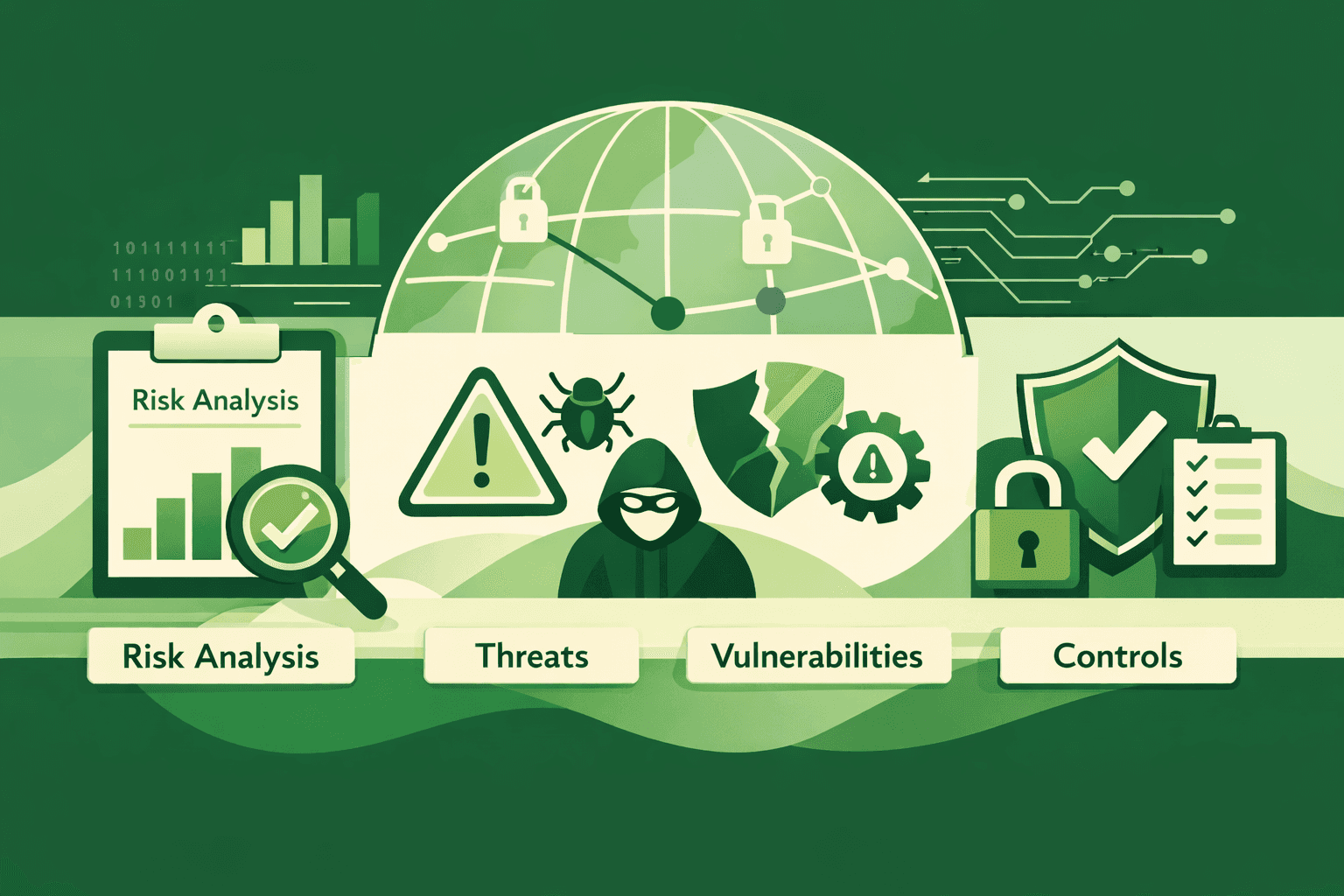
Conducting a risk assessment and producing the Statement of Applicability — see Conducting an ISO 27001 Risk Assessment
Implementing the controls the SoA identifies as applicable, with evidence collection built in from the start rather than retrofitted later
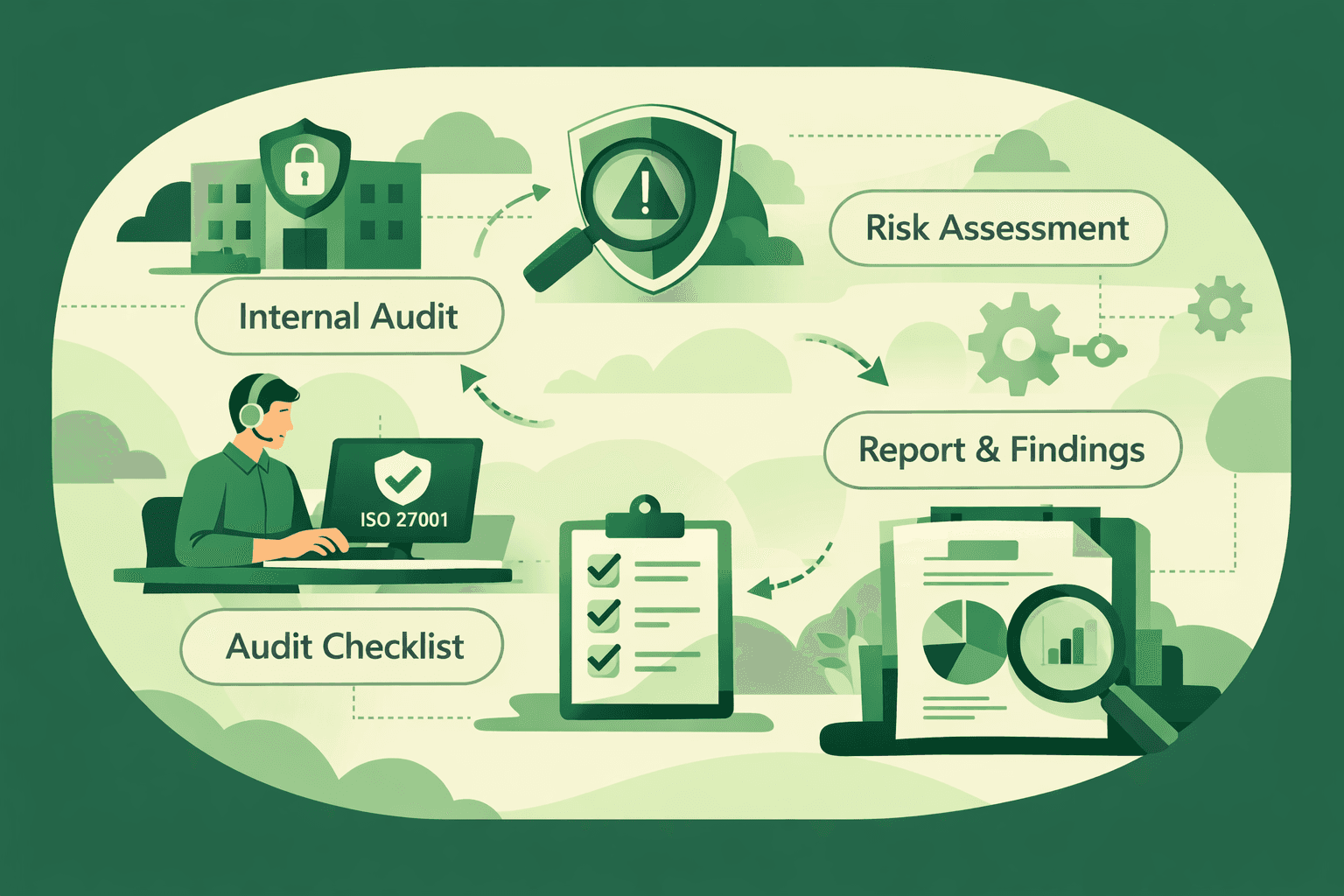
Running at least one internal audit and management review cycle before engaging external auditors — see Running an ISO 27001 Internal Audit
Organizations that rush this phase — implementing controls without evidence collection, or skipping the internal audit — tend to discover the gap during Stage 1, which costs a delay rather than preventing it.
Phase 2: Engaging a Certification Body
Once the ISMS has been operating long enough to generate real evidence (typically a minimum of a few months, not days), you engage an accredited certification body to conduct the formal audit. The audit happens in two distinct stages, and they test different things.
Stage 1: Documentation Review and Readiness Assessment
Stage 1 is largely a desk review. The auditor checks whether your documented ISMS — policies, scope statement, SoA, risk treatment plan — exists, is internally consistent, and appears ready for the deeper test in Stage 2. Stage 1 findings are usually about documentation gaps: a missing justification in the SoA, a scope statement that doesn't match what the risk assessment covers, or policies that haven't been formally approved.
Stage 2: Full Audit of Implementation and Effectiveness
Stage 2 tests whether the documented ISMS actually operates the way it claims to. Auditors sample real evidence — access logs, ticket histories, training records, audit and management review minutes — and interview control owners directly. This is where a control that looks good on paper but lacks operational evidence gets caught. Stage 2 findings are typically more serious than Stage 1 findings, because they indicate the gap isn't in documentation but in actual practice.
Phase 3: Certification and Ongoing Maintenance
Passing Stage 2 results in an ISO 27001 certificate valid for three years — but the certificate's validity depends on annual surveillance audits in years one and two, with a full recertification audit in year three. See Understanding ISO 27001 Certification Validity for what those ongoing audits check.
Certification isn't the finish line the process implies — it's the point where Clause 10's continual improvement requirement starts getting tested annually. An ISMS that was compliant at certification but hasn't kept pace with organizational changes, new risks, or stale documentation will surface those gaps at the next surveillance audit. Maintaining ISO 27001 Compliance Year-Round covers what keeps an ISMS current between audit cycles rather than letting it drift.
What This Process Is Actually Testing
Underneath the two-stage structure, certification bodies are checking for one thing across both stages: whether your ISMS is real or performative. A real ISMS produces consistent evidence, connects documentation to operational practice, and shows a track record of finding and fixing its own gaps through internal audit and corrective action. A performative one has well-written policies and no operational trail behind them — which is exactly what Stage 2 is designed to expose. For cost and timeline expectations across this full process, see Estimating ISO 27001 Certification Costs and How Long Does ISO 27001 Certification Take
Frequently Asked Questions (FAQs)
What is the ISO 27001 certification process?
It is a sequence that starts with readiness and ISMS preparation, then moves to a two-stage external audit, and ends with ongoing surveillance and recertification.Why do organizations fail or delay ISO 27001 certification?
The most common reason is skipping steps in the wrong order, such as implementing controls before evidence collection or not completing an internal audit first.What happens in the preparation and readiness phase?
You define the ISMS scope, complete a risk assessment, create the Statement of Applicability, implement applicable controls, and run an internal audit and management review.What is the Statement of Applicability?
It is the document that shows which ISO 27001 controls apply to your organization and how they are being handled.What is Stage 1 of the ISO 27001 audit?
Stage 1 is a documentation and readiness review where the auditor checks whether your ISMS documents are complete and internally consistent.What is Stage 2 of the ISO 27001 audit?
Stage 2 is the full implementation audit where the auditor checks whether your controls are actually operating in practice.What types of evidence are reviewed in Stage 2?
Auditors typically review access logs, ticket records, training evidence, management review minutes, and other proof that controls are working.How long does ISO 27001 certification last?
The certificate is typically valid for three years, but it depends on annual surveillance audits and a recertification audit in year three.


In the Spotlight

Start your ISO 27001 compliance journey with DSALTA's complete checklist.
ISO® 27001 is the international gold standard for information security management systems (ISMS). Certification shows your organization can manage sensitive information securely and reliably.
Although ISO 27001 looks challenging, DSALTA®’s automation makes it easier: mapping risks, collecting evidence, and monitoring controls in real time. This checklist gives you a clear step- by-step roadmap.
Read more about ISO 27001 certificate with DSALTA.
Stop losing deals to compliance.
Get compliant. Keep building.
Join 100s of startups who got audit-ready in days, not months.