Preparation —
Preparing for an ISO 27001 Audit
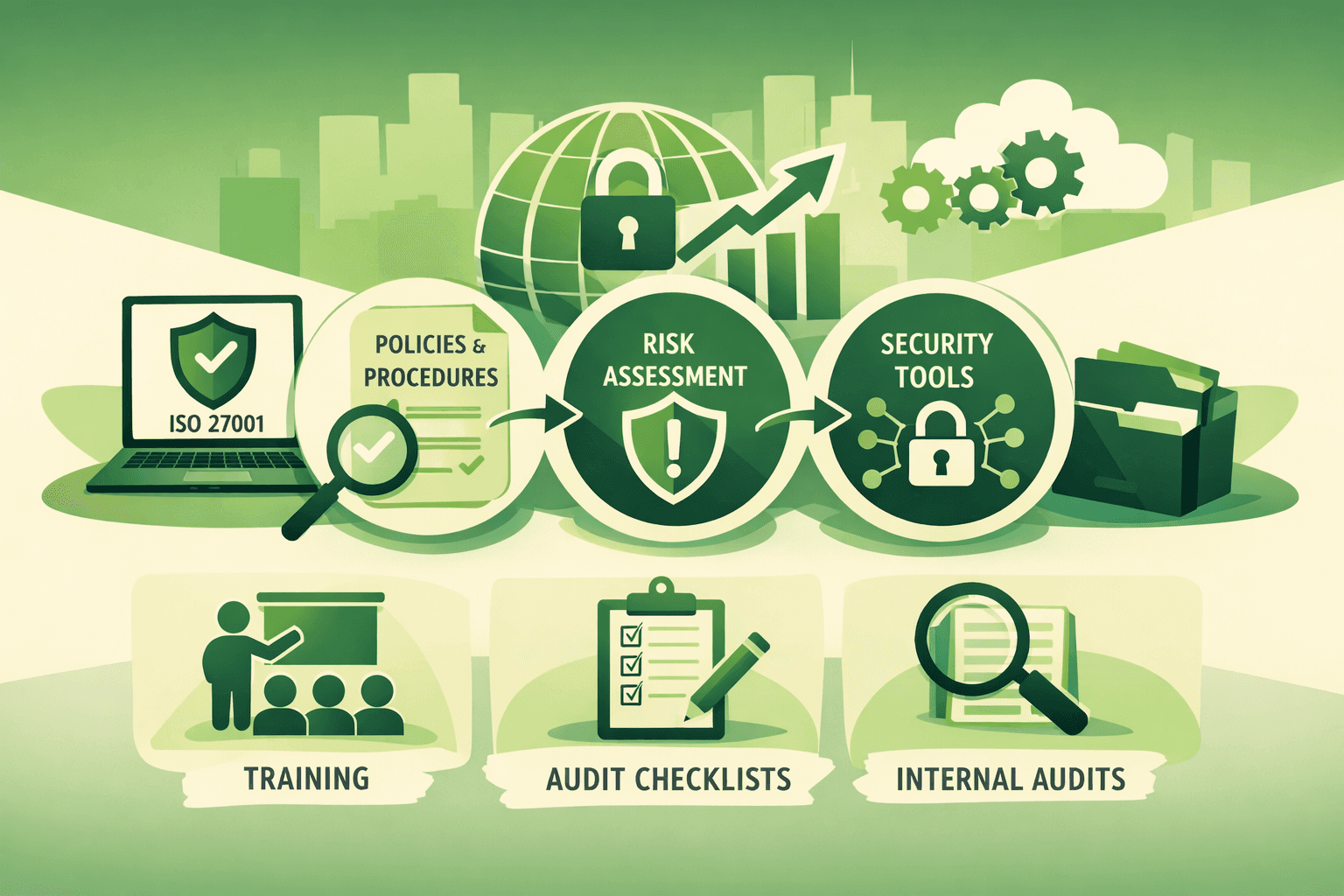
Prepare for an ISO 27001 audit by conducting gap analysis, engaging teams early, and running internal audits.
Share this article


Preparing for an ISO 27001 Audit
Most certification delays aren't caused by the audit itself — they're caused by starting audit prep too close to the audit date. Organizations with a mature security posture still typically need 3-6 months of focused preparation before they're genuinely ready; organizations building an ISMS from scratch should plan for 6-12 months. Compressing this timeline is the single most common reason Stage 1 surfaces findings that should have been caught internally.
Start With a Gap Analysis, Not a Document Review
A gap analysis measures your current state against ISO 27001's actual requirements — Clauses 4-10 and the applicable Annex A controls — rather than just checking whether documents exist. The distinction matters: a policy can exist and still fail a gap analysis if it doesn't match what's operationally true, or if it's never been tested. Specific things a real gap analysis should surface:
Controls that are documented but have never generated evidence (no logs, no tickets, nothing to show an auditor)
Access reviews, vulnerability scans, or backup restoration tests that are scheduled in policy but haven't actually run
Risk treatment decisions in the SoA with no corresponding implementation evidence
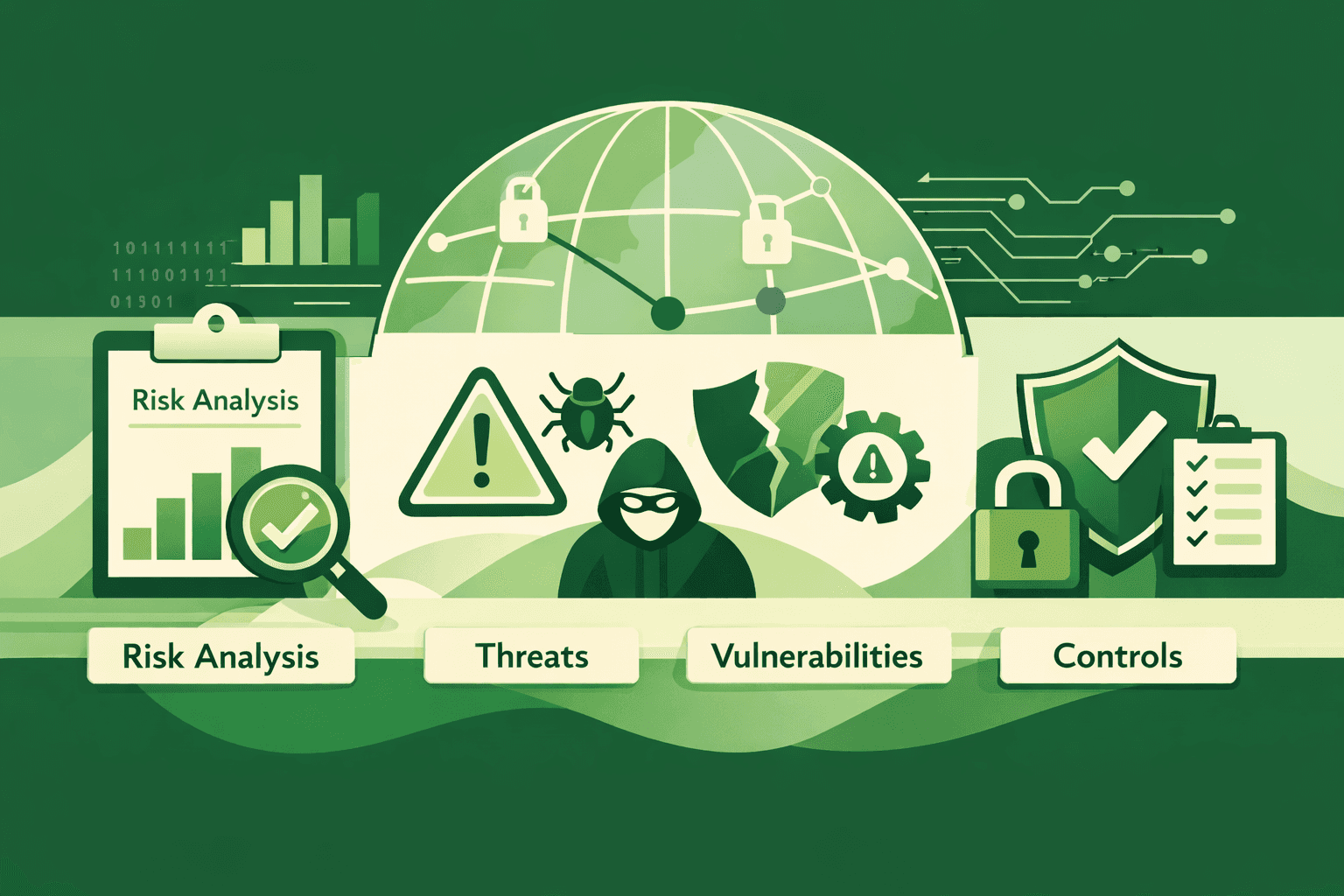
Conducting an ISO 27001 Risk Assessment covers the risk assessment work this gap analysis should be checked against.
Assign Named Owners, Not Departments
"Engage internal teams early" is correct but too vague to act on. What actually needs to happen: every control in your SoA needs a named individual who can speak to it directly in an auditor interview — not "IT" or "the security team," but a specific person who can explain what the control does, show evidence on request, and answer follow-up questions without checking with someone else first. Auditors notice when a control owner is reciting a script versus actually understanding their own control.
Realistic cross-functional involvement looks like:
IT/Engineering — technical control implementation and evidence (access logs, configuration exports, monitoring data)
HR — competence and awareness records, onboarding/offboarding evidence for access control
Legal — vendor/supplier contracts and data protection commitments
Leadership — management review records and resourcing decisions
Run the Internal Audit Before You Schedule Stage 1
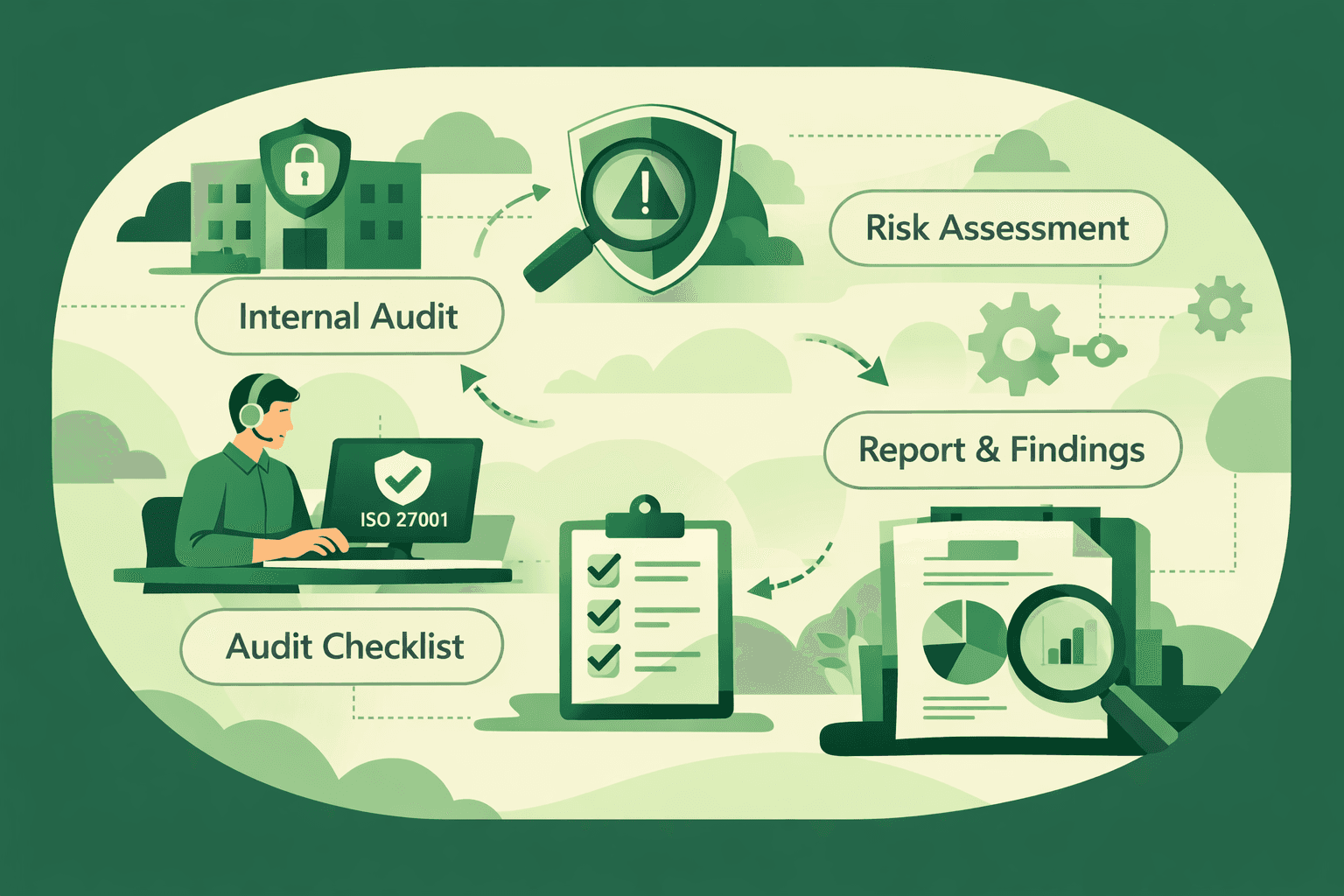
An internal audit isn't a formality before the real audit — it's the mechanism that catches gaps while they're still cheap to fix. Organizations that schedule Stage 1 before completing a genuine internal audit are essentially paying a certification body to find problems a free internal review would have caught. Running an ISO 27001 Internal Audit covers building an audit plan with real independence between auditor and control owner.
Build an Evidence Inventory Before You Lock Audit Dates
Before scheduling Stage 1 and Stage 2, do a dry-run evidence pull: for each control in your SoA, can you produce the supporting artifact — log export, ticket history, signed acknowledgment — within minutes, not days? Controls where evidence takes a scramble to locate are controls that will read as weak during the actual audit, even if the control itself is sound. This evidence inventory also tells you realistically how much lead time to build into your audit timeline.
Common Preparation Mistakes
Treating it as IT-only. Information security touches HR, legal, facilities, and leadership — an ISMS prepared by IT alone will have gaps in exactly the areas those other functions own.
Starting too close to the target date. A rushed gap analysis tends to miss things a properly-paced one catches, and remediation between Stage 1 and Stage 2 needs real time built in, not an assumption that Stage 1 will pass cleanly.
Treating internal audit as a checkbox. An internal audit with zero findings shortly before a real audit is more often a sign of insufficient rigor than a sign of readiness.
Coordinating with Other Frameworks
If you're preparing for ISO 27001 alongside SOC 2 or GDPR obligations, the evidence-gathering work often overlaps — access control logs, incident response records, and risk assessments can frequently satisfy more than one framework's audit requirements with the same underlying evidence. ISO 27001 vs. SOC 2 covers where that overlap is real and where it isn't, which is worth checking before assuming evidence collected for one framework automatically satisfies another.
For the audit structure itself once preparation is complete, see ISO 27001 Certification Process and ISO 27001 Compliance Checklist Essentials
Frequently Asked Questions (FAQs)
How long should ISO 27001 audit preparation take?
Most organizations need about 3 to 6 months if they already have a mature security posture, and 6 to 12 months if they are building an ISMS from scratch.What is the first step in preparing for an ISO 27001 audit?
Start with a gap analysis that compares your current state against ISO 27001 requirements, not just a document review.Why is a gap analysis important?
It helps reveal controls that exist on paper but lack evidence, processes that are not actually running, and risk decisions that were never implemented.Should every ISO 27001 control have a named owner?
Yes. Each control should have a specific person who can explain it, show evidence, and answer auditor questions directly.Which teams should be involved in audit preparation?
IT or engineering, HR, legal, and leadership should all be involved because ISO 27001 touches technical, personnel, contractual, and governance areas.Why should internal audit happen before Stage 1?
Because internal audit catches gaps while they are still easy to fix, instead of letting the external auditor find them first.What is an evidence inventory?
It is a dry-run check to confirm you can quickly produce logs, tickets, acknowledgments, and other artifacts for every control in scope.


In the Spotlight

Start your ISO 27001 compliance journey with DSALTA's complete checklist.
ISO® 27001 is the international gold standard for information security management systems (ISMS). Certification shows your organization can manage sensitive information securely and reliably.
Although ISO 27001 looks challenging, DSALTA®’s automation makes it easier: mapping risks, collecting evidence, and monitoring controls in real time. This checklist gives you a clear step- by-step roadmap.
Read more about ISO 27001 certificate with DSALTA.
Stop losing deals to compliance.
Get compliant. Keep building.
Join 100s of startups who got audit-ready in days, not months.