Automation —
Maintaining ISO 27001 Compliance Year-Round
Maintain ISO 27001 year-round with continuous monitoring, updates, risk assessments, and automation.
Share this article


Achieving ISO 27001 certification is a significant accomplishment, but maintaining compliance is an ongoing commitment that extends far beyond the initial audit.
Many organizations mistakenly treat ISO 27001 as a one-time project rather than a continuous process. The reality is that sustaining certification requires consistent effort, proactive monitoring, and strategic alignment across your entire information security management system (ISMS).
The Core Pillars of Year-Round ISO 27001 Compliance
Sustaining ISO 27001 compliance requires continuous attention to several critical areas:
Control Performance and Monitoring
Your security controls must function effectively every day, not just during audit periods. Implementing continuous monitoring ensures that controls remain operational and effective. Regular testing and validation help identify gaps before they become audit findings. Organizations should establish key performance indicators (KPIs) for each control to track effectiveness over time.
Documentation Accuracy and Updates
ISO 27001 demands current, accurate documentation that reflects your actual security practices. Policies, procedures, and technical documentation must evolve with your business. When systems change, processes update, or new threats emerge, your ISO 27001 documentation must be revised accordingly. Outdated documentation is one of the most common audit findings.
Evidence Collection and Readiness
Audit evidence shouldn't be scrambled together weeks before your surveillance audit. Establish systematic processes to collect and organize evidence throughout the year. This includes logs, training records, meeting minutes, risk assessments, and incident reports. Maintaining a central evidence repository ensures you're always audit-ready.
Risk Assessment Updates
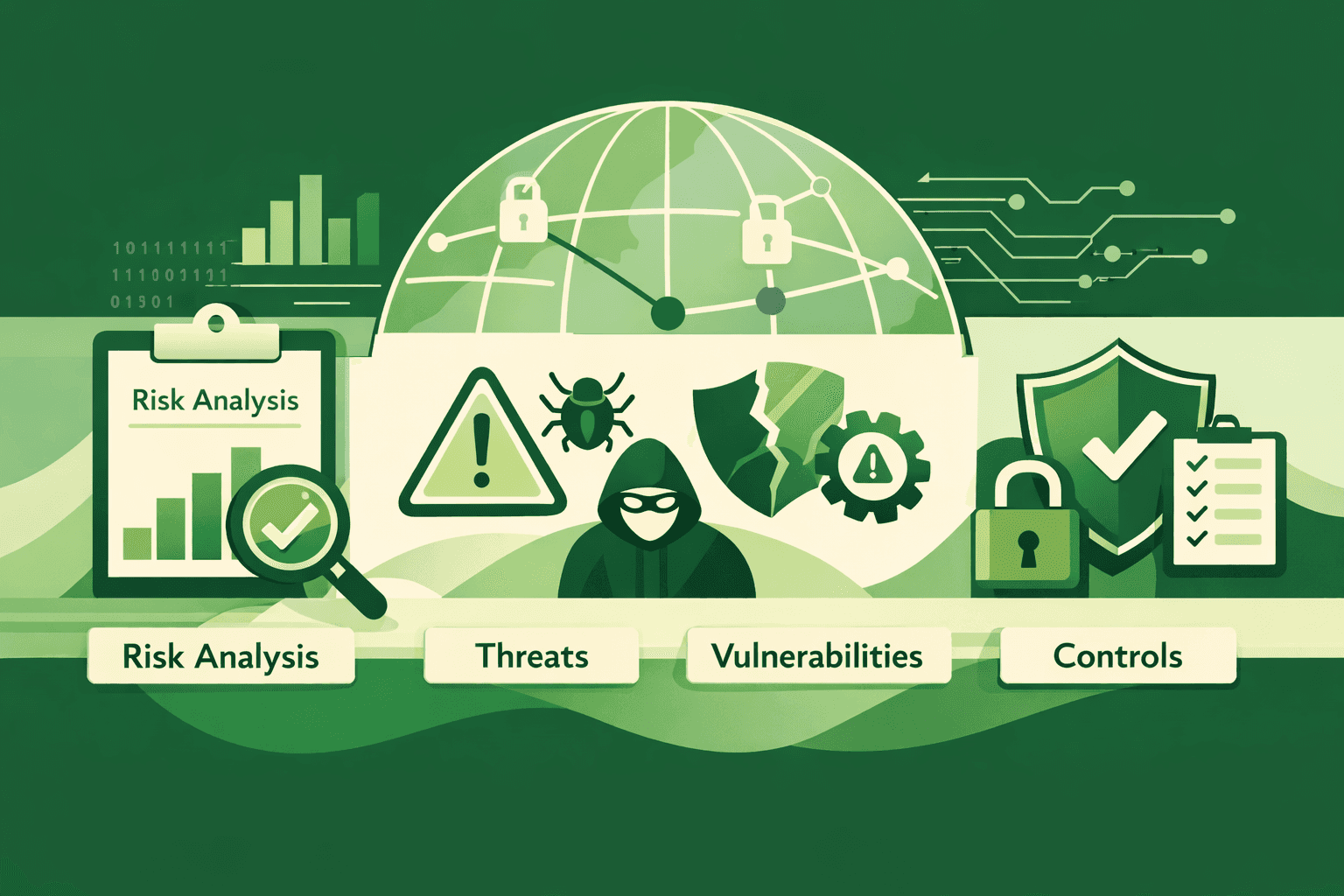
The threat landscape constantly evolves, and so should your risk assessment. Schedule regular risk reviews—at a minimum, quarterly—to identify new threats, reassess existing risks, and adjust controls accordingly. Significant business changes, such as new systems, vendors, or service offerings, should trigger immediate risk assessments.
Management Reviews and Corrective Actions
ISO 27001 requires regular management reviews to evaluate ISMS performance, identify improvement opportunities, and allocate resources. These reviews should result in actionable decisions, not just checkbox exercises. Track corrective actions to closure and document the results to demonstrate continuous improvement.
The Role of Automation in Continuous Compliance
Automation plays a crucial role in supporting year-round compliance, enabling organizations to stay audit-ready at all times without overwhelming security teams.
Modern compliance platforms automate evidence collection from integrated systems, continuously monitor control effectiveness, flag non-compliance in real-time, generate audit-ready reports, and track remediation activities to completion. This automation reduces manual effort by up to 70% while improving accuracy and consistency.
By embedding compliance into daily operations, organizations can avoid the scramble of annual audit cycles and focus instead on driving continuous improvement. Rather than treating audits as high-stress events, automated systems turn them into routine validations of an already functioning program.
Building a Unified Multi-Framework Compliance Program
This proactive approach also strengthens alignment with complementary frameworks, such as SOC 2 and HIPAA, enabling a unified and scalable compliance program.
Many ISO 27001 controls directly map to requirements in other frameworks. Organizations pursuing multiple certifications can leverage this overlap to reduce duplication and streamline compliance efforts. For example, access control policies developed for ISO 27001 often satisfy SOC 2 requirements as well.
A unified approach enables you to maintain a single set of controls, a single evidence repository, and a single management system that simultaneously satisfies multiple frameworks. This not only reduces compliance costs but also creates a more coherent and effective security program.
Practical Steps for Year-Round Compliance
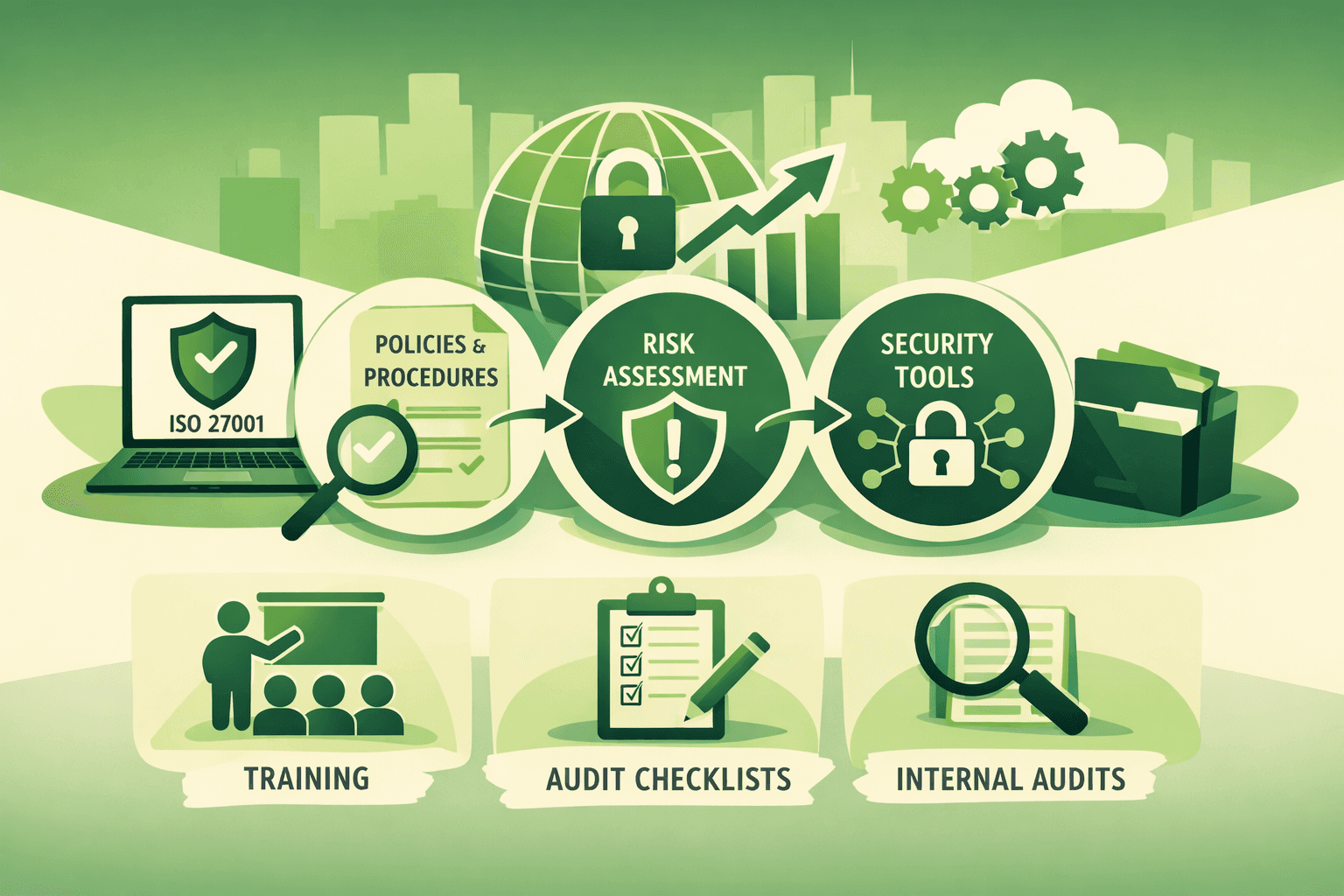
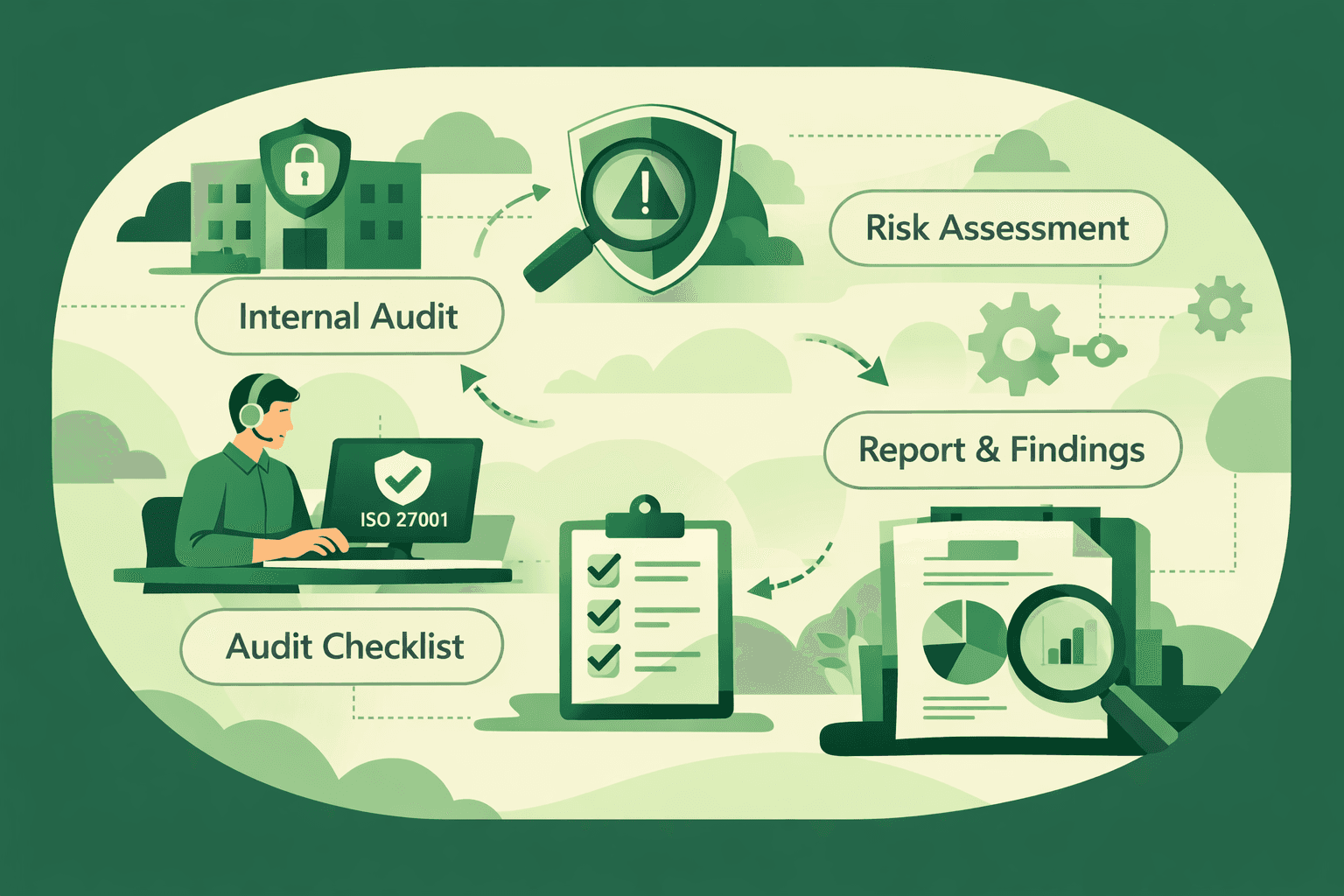
To maintain ISO 27001 compliance effectively throughout the year, organizations should establish quarterly compliance reviews, implement continuous monitoring tools, create a centralized evidence repository, schedule regular internal audits, maintain an active risk register, and conduct management reviews at defined intervals.
Understanding how long certification takes and what certification validity entails helps organizations plan their ongoing compliance activities more effectively. Remember that your certification remains valid for three years, but annual surveillance audits ensure you're maintaining the standard.
Year-round compliance isn't just about passing audits; it's about building a resilient security program that protects your organization and builds customer trust every single day.
Frequently Asked Questions (FAQs)
What does year-round ISO 27001 compliance mean?
It means maintaining your ISMS continuously, not just preparing for an annual audit.Why is ISO 27001 not a one-time project?
Because controls, risks, documentation, and business operations all change over time, so compliance has to be maintained actively.What are the core pillars of year-round ISO 27001 compliance?
The main pillars are control monitoring, documentation updates, evidence collection, risk assessment updates, and management reviews.Why is continuous monitoring important?
It helps you confirm that controls are working every day and catch problems before they become audit findings.What kinds of documentation must stay current?
Policies, procedures, and technical documentation should always reflect actual security practices.Why is evidence collection important throughout the year?
It keeps you audit-ready and prevents the last-minute scramble to gather records before a surveillance audit.


In the Spotlight

Start your ISO 27001 compliance journey with DSALTA's complete checklist.
ISO® 27001 is the international gold standard for information security management systems (ISMS). Certification shows your organization can manage sensitive information securely and reliably.
Although ISO 27001 looks challenging, DSALTA®’s automation makes it easier: mapping risks, collecting evidence, and monitoring controls in real time. This checklist gives you a clear step- by-step roadmap.
Read more about ISO 27001 certificate with DSALTA.
Stop losing deals to compliance.
Get compliant. Keep building.
Join 100s of startups who got audit-ready in days, not months.