Overview —
What Does GDPR Compliance Involve?
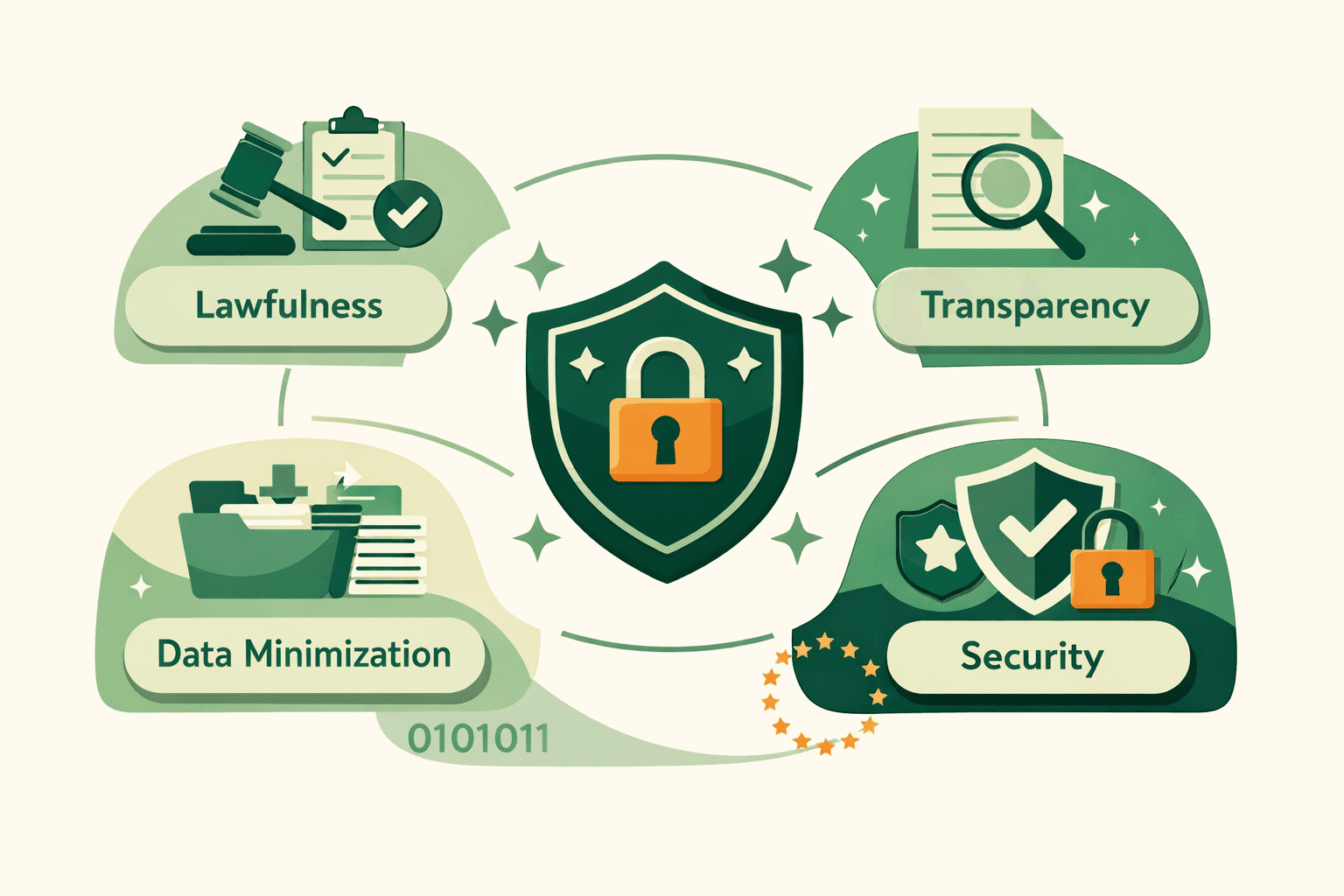
GDPR requires lawful processing, data rights management, DPIAs, and strong security across all data practices.
Share this article


What Does GDPR Compliance Actually Involve?
This is the eight-item version of GDPR compliance most checklists give you. Several of these already have their own deep coverage elsewhere in this cluster — this page focuses real depth on the one item people get wrong most often: when a DPO is actually mandatory, versus when it's optional.
The Eight Pieces, Briefly
A lawful basis for processing. Every processing activity needs a real legal justification — consent, contract, legitimate interest, or one of the others.
Data subject rights handling. Access, correction, erasure, portability, and the rest. GDPR Data Subject Rights: All 8, Explained covers all eight in depth, including the one most lists skip.
Privacy by design and by default. Building data protection into systems from the start, not retrofitting it later. Covered in depth in GDPR Requirements: The Full Picture.
A Record of Processing Activities. Your documented map of what data you hold, why, and where it goes.
DPIAs where required. Triggered by genuinely high-risk processing — large-scale monitoring, sensitive data at scale, not every processing activity.
A Data Protection Officer, if you meet the criteria. Covered properly below, since "if applicable" undersells how specific this actually is.
Vendor risk management through DPAs. Controller vs. Processor Responsibilities covers exactly what these agreements need.
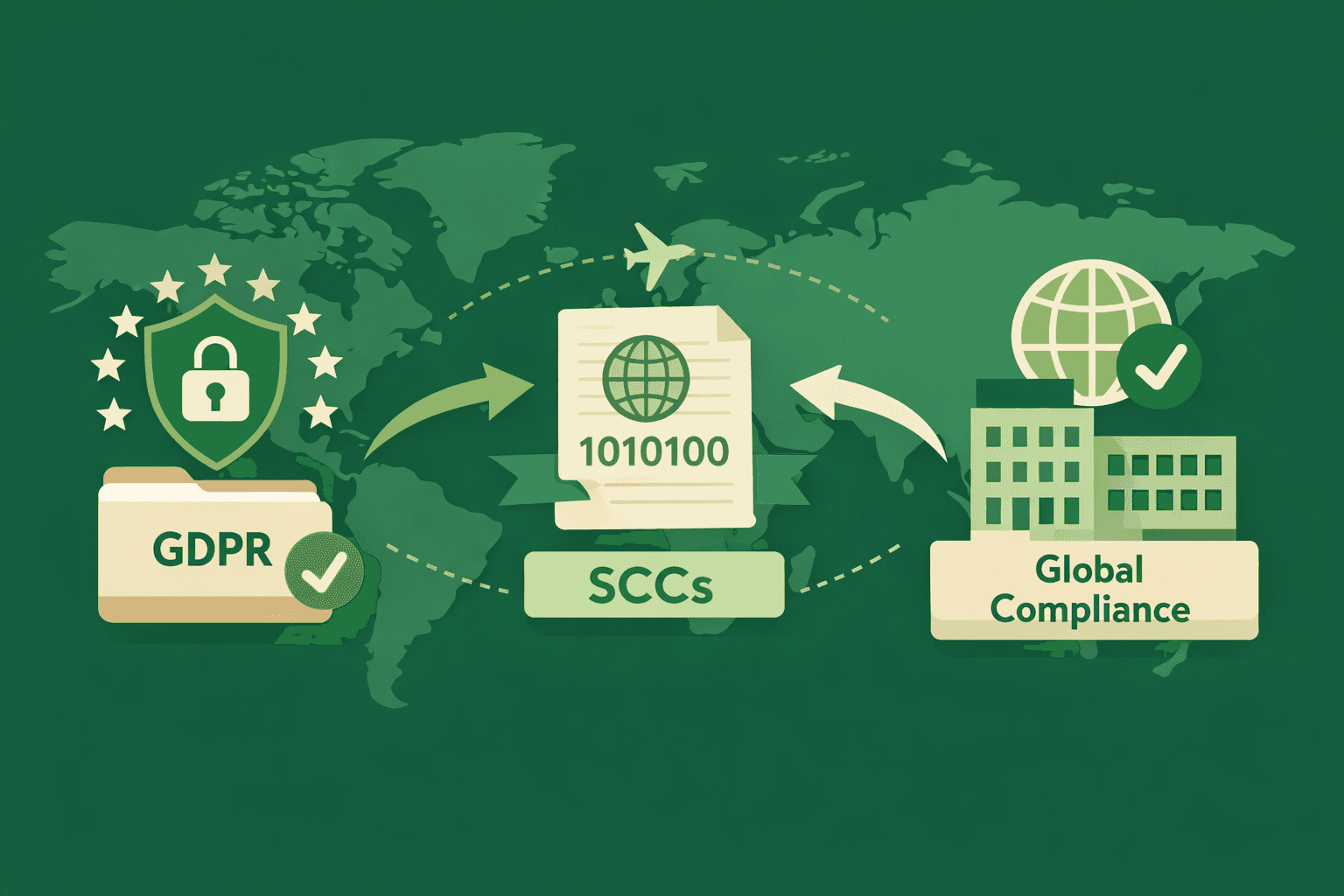
Cross-border transfer safeguards. Adequacy decisions, Standard Contractual Clauses, or Binding Corporate Rules, depending on where the data's going.
When a DPO Is Actually Mandatory
This is the one that trips people up most, because "if applicable" sounds like a judgment call when it's actually a specific legal test. Article 37 names exactly three situations where appointing a DPO isn't optional:
You're a public authority or body — with one narrow exception for courts acting in their judicial capacity.
Your core activities involve regular, systematic, large-scale monitoring of people — think adtech, telecom, or anything built around tracking behavior at scale.
Your core activities involve large-scale processing of special category data — health, biometric, and the other sensitive categories — or criminal conviction data.
The word "core" matters a lot here. A hospital's core activity is patient care, which inherently requires processing health data — that's squarely in scope. A company's payroll department also processes sensitive data (salary, sometimes health insurance details), but payroll isn't the company's core activity — it's a support function. That distinction is exactly why "we process some sensitive data somewhere" doesn't automatically trigger the requirement.
There's no fixed numerical threshold for "large scale" — GDPR deliberately leaves it open, with regulators weighing factors like how many people are affected, how much data, how long the processing continues, and how widely it stretches geographically. If there's genuine doubt, the safer move is to document a clear reasoning either way — regulators expect a written justification for the decision, not silence.
Why This Specific Requirement Gets Real Enforcement Attention
In 2024, the EDPB ran a coordinated enforcement sweep specifically on DPO designation, pulling in over 17,000 responses from organizations and DPOs across the EEA. It found the same handful of problems recurring again and again — DPOs without enough resources to actually do the job, conflicts of interest (someone wearing both a DPO hat and an operational role that the DPO is supposed to be checking), and DPOs left out of decisions they should have been involved in from the start. Appointing a DPO on paper without giving them real independence and resourcing doesn't satisfy the requirement — regulators are explicitly checking for the substance, not just the title.
Even If You're Not Required To, Consider It Anyway
If you don't meet any of the three mandatory triggers, the EDPB still recommends a voluntary DPO for organizations processing personal data regularly or at meaningful scale — especially if you're growing toward one of those thresholds, operating across multiple EU countries with varying national add-on requirements, or just want a real point of accountability for data protection decisions.
Why These Eight Pieces Work Better Together
None of these eight items function in isolation. Your RoPA tells you whether you actually meet the DPO thresholds. Your lawful basis assessment feeds into whether a DPIA is required. A DPO, once appointed, should be involved in DPIAs and vendor agreements, not bolted on after the fact. Treating these as eight separate checkboxes is how organizations end up technically covering each one while still missing the connections between them that regulators actually look for.
Building This Alongside Other Frameworks
A lot of this groundwork pays off twice — the same risk assessment, access governance, and vendor due diligence work that satisfies GDPR also overlaps substantially with ISO 27001 and SOC 2. Build it once, with GDPR's specific requirements layered on top, rather than running three separate compliance efforts in parallel.
FAQs
When is a Data Protection Officer (DPO) mandatory under GDPR?
A DPO is legally required in three cases: you're a public authority or body, your core activities involve regular and systematic large-scale monitoring of individuals, or your core activities involve large-scale processing of special category data (health, biometric, etc.) or criminal conviction data. Article 37 defines these tests precisely.
What does "core activities" mean when determining if a DPO is required?
"Core activities" refers to the primary purpose of your organization, not incidental data processing. A hospital's core activity is patient care, which requires health data — that triggers the requirement. A company's payroll department processes sensitive data too, but payroll is a support function, not a core activity, so it doesn't trigger the DPO requirement on its own.
Is there a specific threshold for "large scale" processing that requires a DPO?
No fixed numerical threshold exists. GDPR leaves it open, and regulators weigh factors like the number of people affected, volume of data, duration of processing, and geographic scope. When it's genuinely unclear, organizations should document their reasoning either way rather than making no determination at all.
What happens if a company appoints a DPO but doesn't give them real authority?
This doesn't satisfy GDPR's requirement. A 2024 EDPB enforcement sweep found recurring problems — DPOs without adequate resources, conflicts of interest from dual operational roles, and DPOs excluded from decisions they should be part of. Regulators check for substance and genuine independence, not just a title on paper.
Should a company appoint a DPO even if it's not legally required to?
The EDPB recommends it for organizations processing personal data regularly or at meaningful scale, especially if they're approaching one of the mandatory thresholds, operating across multiple EU countries with varying national requirements, or want a dedicated point of accountability for data protection decisions.
What are the core components of GDPR compliance?
Eight main pieces: establishing a lawful basis for processing, handling data subject rights requests, building privacy by design and default, maintaining a Record of Processing Activities (RoPA), conducting DPIAs where required, appointing a DPO if applicable, managing vendor risk through Data Processing Agreements, and implementing cross-border transfer safeguards.
What is a Record of Processing Activities (RoPA)?
A RoPA is a documented map of what personal data your organization holds, why you process it, and where it goes. It's a foundational GDPR requirement that also determines whether you meet DPO appointment thresholds and whether specific processing activities require a DPIA.
When is a Data Protection Impact Assessment (DPIA) required?
DPIAs are triggered by genuinely high-risk processing activities — such as large-scale monitoring or processing sensitive data at scale — not by every processing activity an organization undertakes.
How do GDPR's compliance requirements connect to each other?
They're interdependent rather than standalone checkboxes. Your RoPA determines whether you meet DPO thresholds; your lawful basis assessment determines whether a DPIA is needed; and a DPO, once appointed, should be actively involved in DPIAs and vendor agreements rather than added after those decisions are made.
Does GDPR compliance work overlap with ISO 27001 or SOC 2?
Yes, substantially. The risk assessment, access governance, and vendor due diligence work required for GDPR overlaps with what ISO 27001 and SOC 2 require, so building this foundation once — with GDPR-specific requirements layered on — is more efficient than running separate compliance efforts for each framework.



In the Spotlight

Start your GDPR compliance journey with DSALTA's complete checklist.
The General Data Protection Regulation (GDPR) is Europe’s core privacy law, shaping how organizations collect, process, and protect the personal data of EU residents. Non-compliance can result in heavy fines, reputational damage, and loss of customer trust.
GDPR can feel complicated with its broad scope and strict requirements, but DSALTA® makes it manageable. With automated evidence collection, continuous monitoring, and AI- driven risk insights, you can maintain compliance without drowning in manual work. Use this checklist to guide your GDPR journey.
Read more about GDPR compliance with DSALTA.
Stop losing deals to compliance.
Get compliant. Keep building.
Join 100s of startups who got audit-ready in days, not months.