Resources —
Preparing Your Team for SOC 2 Audits
Train teams on SOC 2 audit roles, evidence, and expectations to improve confidence and audit outcomes.
Share this article


Why Audit Training Matters
Many audit exceptions stem not from malicious intent or poor controls, but from simple misunderstandings about what auditors expect. According to recent industry analysis, over 60% of audit findings could be prevented with proper preparation and training.
Training helps clarify:
What evidence is required – Understanding the distinction between SOC 2 Type I and Type II audit requirements ensures your team collects the right artifacts from day one. Learn more about the essential evidence and artifacts for SOC 2 audits.
How controls should be documented – Proper documentation is critical. Our guide on mastering SOC 2 compliance documentation walks through best practices for creating audit-ready materials.
The scope of each team member's responsibilities – role clarity prevents coverage gaps. Reference our SOC 2 readiness checklist to map responsibilities across your organization.
How to engage effectively with auditors during fieldwork – Communication skills matter. Our guide to preparing for your SOC 2 audit includes proven strategies for interacting with your auditor.
Training also helps reduce audit anxiety and foster a collaborative, transparent culture. Organizations that invest in structured training programs report 40% fewer audit findings and significantly smoother audit processes. For detailed guidance on building this foundation, explore our pre-audit survival guide for CISOs.
Who Should Receive Training?
At a minimum, control owners and key stakeholders should receive focused SOC 2 audit training. Based on the AICPA's Trust Services Criteria, successful SOC 2 programs require cross-functional participation.
This typically includes:
Security and IT Teams
Your technical teams are the backbone of control implementation. They need deep knowledge of key SOC 2 controls and how to maintain continuous compliance through automated monitoring practices.
Engineering and DevOps Leads
These teams manage the systems that execute your controls daily. Training should cover crafting SOC 2 policies and procedures specific to development and deployment processes.
Legal and HR Stakeholders
Compliance extends beyond technology. Legal teams must understand contractual implications, while HR manages personnel controls. Review our guidance on understanding SOC 2 compliance requirements for these departments.
Executive Sponsors and Governance Leaders
Leadership needs strategic visibility. Our SOC 2 project plan guide helps executives understand timelines, resource requirements, and business value.
Broader awareness training is also valuable for ensuring that all employees understand their role in supporting a compliant environment. Even team members not directly involved in control execution should complete basic security awareness training covering topics like password management, data handling, and incident reporting.
This cross-functional alignment is especially important when pursuing multiple frameworks such as ISO 27001 or GDPR, where audit expectations span multiple domains. For organizations managing multiple standards, our unified approach to SOC 2, ISO 27001, and HIPAA provides integrated training frameworks.
Building an Effective Training Program
Structured vs. Ad-Hoc Training Organizations that implement formal, recurring training programs see measurably better audit outcomes. Consider establishing:
Quarterly refresher sessions for control owners
Annual comprehensive training for all stakeholders
Just-in-time training before audit kickoff
Learn how to structure these programs in our SOC 2 best practices guide.
Training Content Essentials: Effective training should include:
Framework fundamentals – Understanding Trust Services Criteria and how they map to your business
Evidence collection techniques – What auditors look for and how to provide it efficiently
Common pitfalls – Learning from common SOC 2 audit findings
Mock audit exercises – Hands-on practice with realistic scenarios
Measuring Training Effectiveness: Track these metrics to ensure your training delivers results:
Reduction in audit exceptions year-over-year
Time-to-remediation for identified gaps
Employee confidence scores in pre-audit surveys
Audit duration and cost trends
According to Gartner's GRC research, organizations with mature training programs reduce compliance costs by up to 30%.
Final Thoughts
Investing in SOC 2 audit training helps your organization operate with greater maturity, transparency, and accountability—not just during the audit, but throughout your compliance journey.
Training transforms compliance from a checkbox exercise into a strategic capability. Organizations that prioritize audit readiness training report:
50% faster audit completion times
Higher client trust and retention rates
Fewer costly remediation cycles
Stronger security posture overall
Whether you're preparing for your first SOC 2 audit or refining an established program, structured training is one of the highest-ROI investments you can make.
For comprehensive support in building your training program and achieving audit readiness, explore DSALTA's compliance automation platform or book a demo to see how we help teams get audit-ready faster.


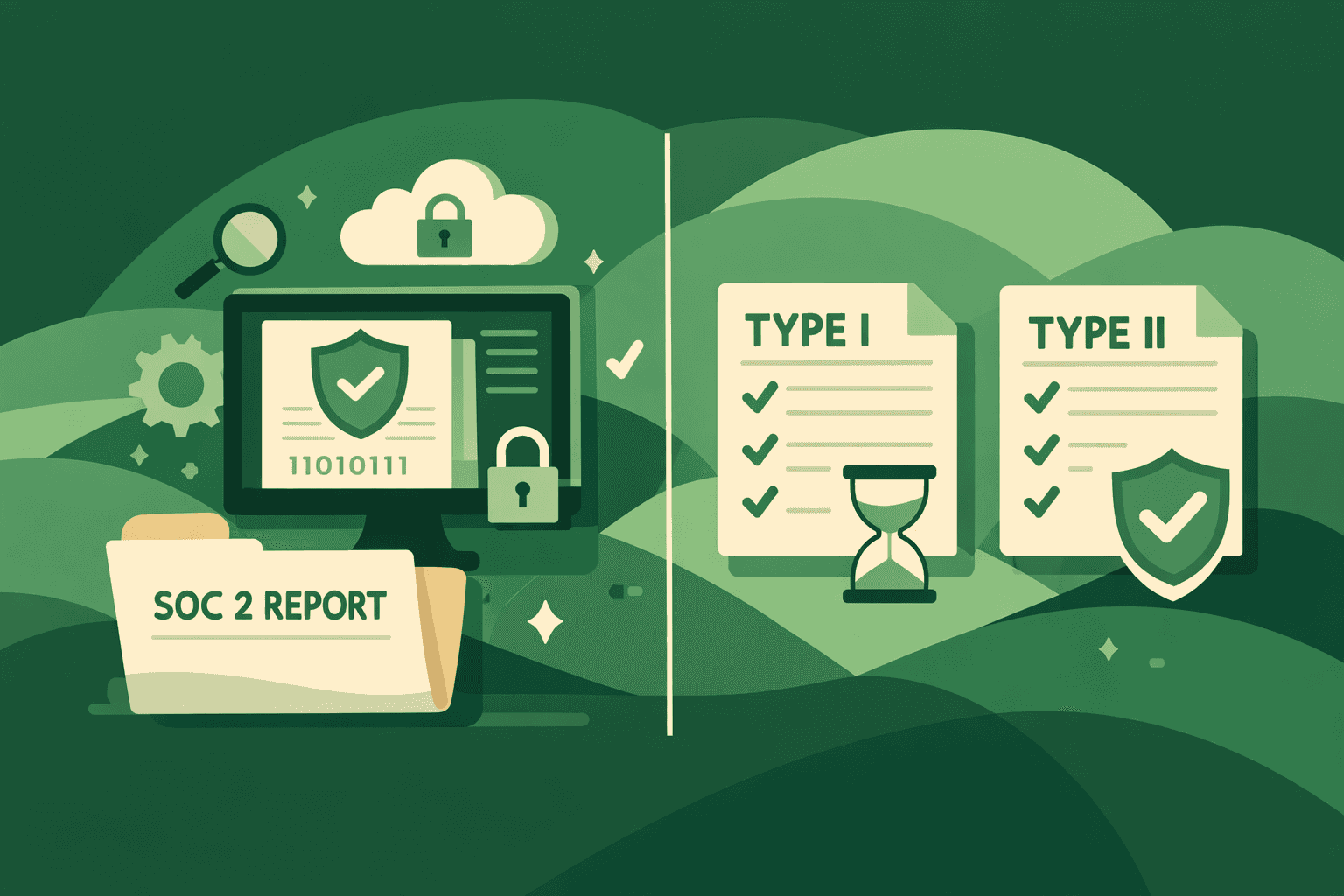


In the Spotlight

Start your SOC 2 compliance journey with DSALTA's complete checklist.
Many teams view SOC 2 as overwhelming—expensive, slow, and packed with manual work. The reality is different: with smart preparation and modern automation, the process becomes far more achievable.
That’s where DSALTA® comes in. With AI-powered audit readiness, real-time monitoring, and automated evidence collection, DSALTA® helps you get compliant faster and with less effort. This checklist walks you through every stage so you know exactly what’s ahead.
Read more about SOC 2 compliance with DSALTA.
Stop losing deals to compliance.
Get compliant. Keep building.
Join 100s of startups who got audit-ready in days, not months.