DSALTA Blog
How to Pass Your SOC 2 Type 2 Audit?
Written by
Ogulcan Ozdemir
|
Published on
Dec 16, 2025

Introduction: Why SOC 2 Type 2 Audits Are Getting Harder
Passing a SOC 2 Type 2 audit in 2025 is no longer just about having policies documented. Modern auditors focus on consistency, evidence quality, and operational discipline demonstrated over an extended observation period.
The reality facing most organizations? Delays don't happen because controls are missing—they happen because teams cannot prove that those controls operated effectively and continuously throughout the 6-12 month audit window.
Based on analysis of hundreds of recent audits, specific patterns consistently cause delays: incomplete evidence across observation periods, weak access review documentation, inadequate change management trails, superficial vendor risk assessments, and theoretical incident response procedures.
This comprehensive guide breaks down what auditors actually flag in 2025, why SOC 2 compliance requirements trip up even well-prepared teams, and how high-performing organizations avoid common pitfalls to complete audits on schedule.
Understanding SOC 2 Type 2: What Makes It Different
Type 1 vs Type 2: The Critical Distinction
SOC 2 Type 1 evaluates control design at a single point in time. Auditors verify that your controls are appropriately designed to meet Trust Services Criteria, but they don't assess whether those controls actually operate effectively over time.
SOC 2 Type 2 evaluates both design and operating effectiveness over an observation period typically lasting 6-12 months. This is fundamentally different and significantly more challenging.
What Auditors Actually Evaluate in Type 2
Consistent execution across the entire observation window matters more than perfect documentation. Auditors need proof that your controls operated regularly as designed.
Evidence continuity throughout the whole audit period is non-negotiable. Missing evidence from even a single month can trigger delays and additional sampling requests.
Traceability between policies, systems, and actions demonstrates that documented procedures actually drive operational behavior.
Issue identification and remediation show your control environment includes detection mechanisms and corrective action processes.
The 2025 Audit Focus Areas
Based on recent audit trends, auditors are especially strict about specific control areas:
Access management including user provisioning, access reviews, privileged access, and timely deprovisioning remains the most scrutinized area.
Change management covering development processes, deployment controls, separation of duties, and emergency change procedures receives intense attention.
Vendor risk management evaluating third-party assessments, ongoing monitoring, and vendor access controls has become significantly more rigorous.
Logging and monitoring demonstrating log collection, retention, review, and incident detection capabilities is carefully examined.
The Top Reasons SOC 2 Type 2 Audits Get Delayed
Reason 1: Gaps in Evidence Continuity
The single most common cause of delay involves incomplete evidence across the observation period. Teams often provide evidence from a select set of months rather than the whole audit window.
Real example: A company provides an access review from June, but their audit observation period runs from January through December. Auditors request evidence for all remaining months, delaying the audit by 3-4 weeks while teams scramble to reconstruct historical activities.
Why this happens: Organizations treat evidence collection as an end-of-period activity rather than an ongoing process. By the time the audit begins, reconstructing complete evidence from months earlier becomes difficult or impossible.
The pattern auditors see: Strong evidence from recent months but sparse or missing documentation from early in the observation period, suggesting controls weren't consistently executed or documented.
Reason 2: Access Reviews Without Substance
Many organizations export user lists periodically, but cannot demonstrate that actual review activities occurred. Auditors distinguish between routine exports and meaningful access reviews.
What's missing: Documentation of who performed the review, what decisions were made, what access was modified or confirmed appropriate, and evidence that findings drove action.
What auditors expect: Clear reviewer identification, approval or remediation notes showing decision-making, timestamped records proving review timing, and evidence connecting reviews to access modifications.
Common mistake: Treating automated user exports as proof of review completion without documenting the human review and decision-making process that must occur.
Reason 3: Change Management Without Traceability
Change management delays stem from incomplete connections between code changes, approval workflows, and deployment activities. Auditors need clear trails from request through deployment.
What auditors look for: Approval documented before deployment occurs, separation of duties between developers and deployers, clear links between code repositories, ticketing systems, and CI/CD pipelines, and evidence that changes follow documented procedures.
What causes delays: Changes deployed without linked tickets, emergency fixes lacking post-deployment reviews, approval steps happening in chat tools without formal documentation, and disconnected systems that prevent auditors from tracing changes end-to-end.
Real gap: Many teams have solid change processes, but cannot demonstrate those processes to auditors because evidence exists across multiple disconnected systems.
Reason 4: Superficial Vendor Risk Management
In 2025, auditors dramatically increased scrutiny of third-party risk management. Simply collecting vendor security questionnaires no longer satisfies audit requirements.
What's insufficient: A vendor list without risk classifications, collected SOC reports that nobody reviewed, security questionnaires filed away without analysis, or no documented criteria for identifying high-risk vendors.
What auditors expect: Vendor inventory with risk tiering, evidence that someone reviewed vendor security documentation, documented assessment criteria, follow-up activities for identified vendor risks, and proof of ongoing monitoring for critical vendors.
Key issue: Organizations treat vendor risk as a one-time onboarding activity rather than an ongoing monitoring responsibility throughout vendor relationships.
Reason 5: Theoretical Incident Response
Incident response procedures documented in policies but never tested or executed create audit delays when teams cannot provide operational evidence.
What auditors want: Evidence of incident detection capabilities, documented response activities for actual incidents, post-incident reviews analyzing root causes, or tabletop exercises if no real incidents occurred during the observation period.
What causes problems: Incident response plans that exist only in documents, no evidence of the plan being followed during actual events, missing post-incident analyses, and no testing through simulated scenarios.
Critical point: Even organizations with perfect security records need evidence of incident response capability through testing and exercises.
How High-Performing Teams Pass SOC 2 Type 2 Without Delays
Strategy 1: Lock the Audit Window Early
Successful organizations define their observation period parameters well in advance and align all evidence collection to that specific window.
What to establish: Clear start and end dates for the observation period, a defined review cadence for each control, specific owners assigned to each control area, and an evidence collection schedule matching required frequencies.
Why this works: It prevents last-minute scrambling to identify evidence requirements and ensures evidence collection happens in real-time rather than retrospectively.
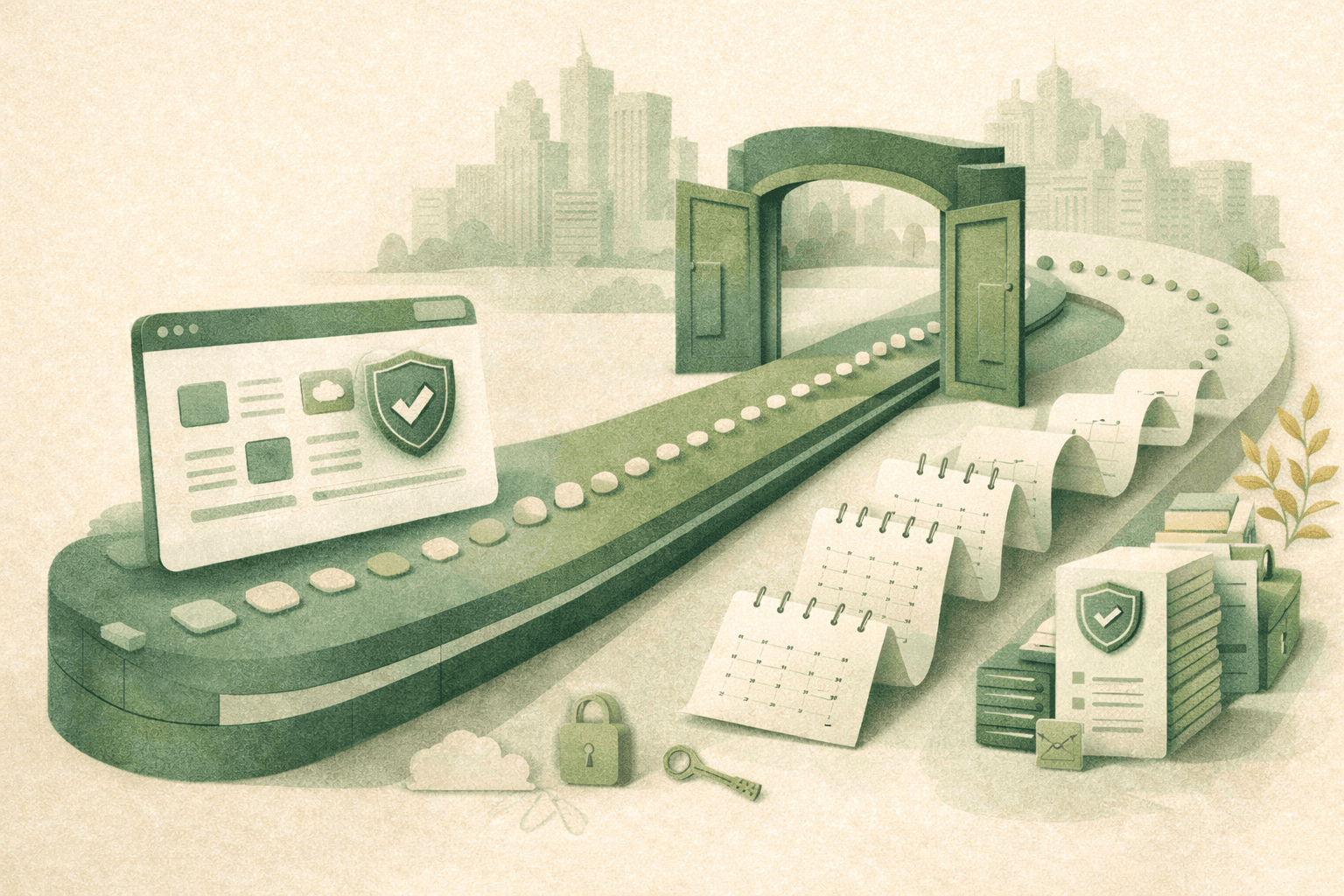
Implementation approach: Create a master calendar that shows all control execution requirements for the observation period, assign ownership to each activity, and establish reminder systems to ensure nothing gets missed.
Strategy 2: Treat Evidence as a Product
Organizations that pass audits smoothly approach evidence management with the same discipline they apply to product development.
Best practices: Consistent naming conventions for all evidence files, centralized storage with a clear organizational structure, tagging or labeling systems that link evidence to specific controls, and maintaining reviewer names and timestamps visibly.
What matters to auditors: clarity and traceability, not sophisticated formatting. Auditors value organized, clearly labeled evidence over beautifully formatted but difficult-to-navigate documentation.
Practical tip: Create evidence templates for recurring controls. When access reviews, vendor assessments, or backup tests follow the same format every time, auditors can review them efficiently.
Strategy 3: Automate Recurring Controls
Automation creates audit-ready proof while reducing manual workload for recurring control activities.
Top automation opportunities: Access review report generation, vendor monitoring and SOC report collection tracking, log retention verification, backup completion and testing confirmation, vulnerability scan scheduling and reporting, and security awareness training assignment and completion tracking.
Important distinction: Automation doesn't eliminate human accountability—it creates better evidence trails. Someone still reviews automated reports and makes decisions, but automation ensures consistent execution and documentation.
Real benefit: Automated controls generate timestamped, system-recorded evidence that auditors find more reliable than manually created documentation.
Strategy 4: Connect Controls to Real Systems
Auditors respond positively when control descriptions clearly map to the actual tools and workflows your organization uses daily.
What this looks like: Instead of generic "access reviews are conducted quarterly," document "quarterly access reviews are performed using Okta user reports, documented in Google Sheets with reviewer sign-off, and tracked in Jira for remediation."
Why specificity helps: Auditors can test your controls more efficiently, sampling becomes straightforward, and you avoid back-and-forth clarifying how abstract control descriptions translate to actual operations.
Avoid: Vague policy language disconnected from operational reality. Generic descriptions require extensive explanation and slow down the audit process.
Strategy 5: Conduct Pre-Audit Gap Reviews
The most successful organizations run internal reviews before auditors begin fieldwork, identifying and addressing gaps proactively.
What to review: Every control for the complete observation period, evidence completeness across all required months, reviewer sign-offs on all review activities, and remediation evidence for any identified issues.
Timeline: Conduct this internal review 4-6 weeks before the scheduled audit start. This provides time to address gaps without creating schedule pressure.
Value: A thorough one-week internal review can prevent month-long audit delays. The time investment is minimal compared to the disruption caused by mid-audit evidence gaps.
What Auditors Appreciate But Rarely Explicitly State
Understanding what makes auditors' jobs easier helps you prepare more effectively and complete audits faster.
Organized evidence packages with clear folder structures, logical naming, and easy navigation dramatically accelerate audit reviews. Auditors can quickly locate what they need without constant requests for clarification.
Concise explanations attached to complex evidence help auditors understand context without scheduling multiple clarification meetings. Brief notes explaining what evidence shows and how it demonstrates control operation save significant time.
Honest documentation of issues and remediations builds auditor confidence. Organizations that transparently document the problems they identified and fixed appear more credible than those that claim perfect execution.
Responsive communication where teams can quickly answer questions about control operation without extensive research demonstrates operational maturity.
Clear ownership, with specific individuals accountable for each control area, allows auditors to direct questions appropriately and obtain authoritative answers.
Part 2: Deep Dive Into Common Delay Causes and Solutions
Issue 1: Inconsistent Evidence Across Observation Periods
The observation period challenge represents the fundamental difference between Type 1 and Type 2 audits. Controls must demonstrate consistent operation throughout the entire window.
What inconsistency looks like: Access reviews completed in Q1 and Q2 but skipped in Q3, backup tests performed monthly but results only retained for recent months, incident response drills conducted verbally without documentation, or security awareness training completed but records not maintained.
Why this creates delays: Auditors cannot confirm consistency with incomplete evidence. They must either request additional evidence, extend sampling periods, or issue qualifications—all of which delay report issuance.
Root causes: Evidence collection treated as end-of-period activity, ownership ambiguity for control execution, inadequate tracking systems, and insufficient calendar reminders.
Proven solutions: Define exact cadence for each control upfront, assign named owners with clear accountability, establish centralized evidence storage, implement a checklist or tracking system confirming completion, and set calendar reminders ahead of required execution dates.
Outcome: When evidence demonstrates predictable patterns matching documented frequencies, auditors can efficiently sample and move forward without extensive follow-up.
Issue 2: Weak Change Management Trails
Change management was the top driver of delays in 2025 audits, according to multiple audit firms. The complexity of modern development workflows creates traceability challenges.
Common traceability problems: Code changes deployed without linked tickets, emergency fixes bypassing everyday approval workflows, approval conversations happening in Slack without formal documentation, and disconnected systems preventing end-to-end change tracking.
What auditors actually need: Every production change linked to a tracking ticket, approval documented before deployment, evidence including ticket ID, approver name, deployment timestamp, and rollback procedures if applicable.
Why this matters: Auditors sample changes to verify your documented process is actually followed. When they cannot trace sampled changes through your workflow, they must expand sampling or request additional evidence.
Working solutions: Enforce ticket requirements for all production changes, document approvals within ticketing systems rather than chat tools, implement automation connecting code repositories, ticketing systems, and deployment platforms, and create change logs showing the complete trail for each deployment.
Best practice: When auditors can sample 5-10 changes and observe identical patterns for each, reviews proceed quickly. Consistency matters more than perfection.
Issue 3: Vendor Risk Management Maturity Gaps
Third-party risk management scrutiny increased dramatically in 2025 as supply chain attacks and vendor breaches became more common.
Insufficient approaches: Vendor lists missing data classifications or ownership, SOC reports collected but never reviewed or analyzed, security questionnaires filed without documented evaluation, and no defined criteria for identifying high-risk vendors requiring enhanced oversight.
What satisfies auditors: Complete vendor inventory with owners and data access details, risk-based tiering distinguishing critical vendors from low-risk services, documented evidence that high-risk vendors receive at least annual reviews, and notes demonstrating actual review of vendor security documentation.
Key insight: Auditors don't expect perfect vendor programs—they expect reasonable, documented approaches appropriate to your risk profile.
Practical implementation: Maintain vendor inventory in a spreadsheet or GRC platform, classify vendors by criticality and data access, schedule annual reviews for high-risk vendors, document review activities even if the conclusion is "no changes needed," and track vendor incidents or security notifications requiring response.
Evidence that works: Even brief review summaries showing someone evaluated vendor security prevent weeks of back-and-forth clarification requests.
Issue 4: Access Reviews Lacking Decision Evidence
Access control is foundational to SOC 2, yet access review documentation frequently causes audit delays.
Audit red flags: Access reviews conducted only during onboarding, reviews performed but no documentation of decisions made, former employees still appearing in system access reports, and missing evidence of remediation when inappropriate access is identified.
What demonstrates effective reviews: Quarterly access reviews for all systems with access to sensitive data, exports showing complete user populations, documented reviewer sign-off with names and dates, and lists showing access removed, modified, or confirmed appropriate.
Why decisions matter: Exporting user lists proves system access, but doesn't prove review occurred. Auditors need evidence of human evaluation and decision-making.
Best practice format: Access review evidence should include the list of users reviewed, reviewer identification, review date, a notation of decisions for each user, and follow-up evidence for access modifications.
Time-saving tip: Create standard access review templates. Using the same format quarterly makes both execution and audit review more efficient.
Issue 5: Last-Minute Evidence Assembly
One of the biggest causes of audit delays is starting evidence collection only when the audit window opens, rather than collecting evidence continuously.
Why this fails: Reconstructing months of control execution from memory or fragmented records is difficult, teams spend weeks gathering evidence that should have been collected in real-time, and gaps discovered late in the process cannot be remedied.
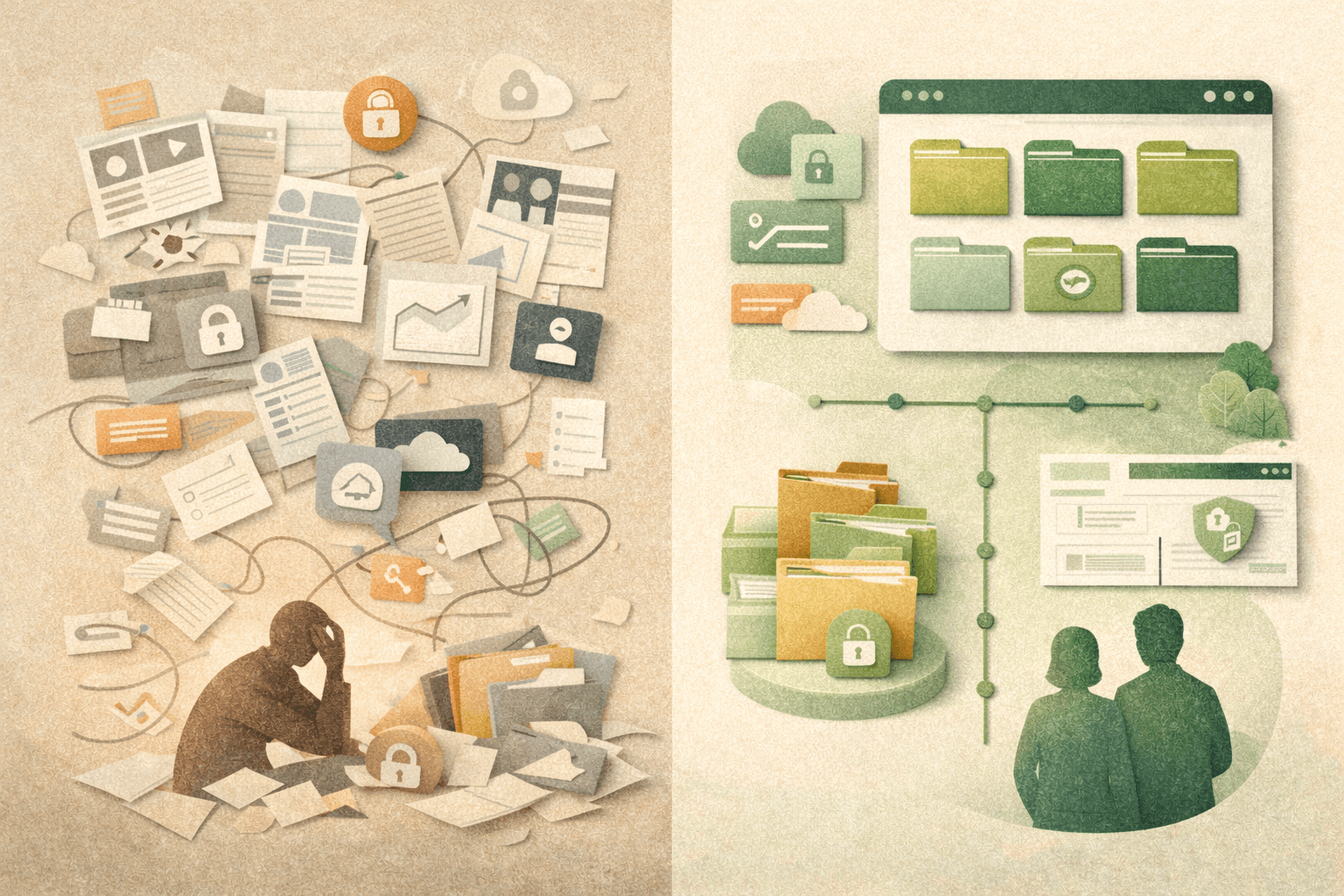
How successful teams differ: They treat SOC 2 Type 2 as an ongoing operational process, collect evidence monthly or quarterly as controls execute, store evidence in organized structures immediately, and run internal mock audits before engaging external auditors.
The impact: Organizations following this approach report 50-70% reductions in audit preparation time, fewer auditor questions requiring follow-up, minimal sampling expansion requests, and faster report issuance after fieldwork completion.
Implementation approach: Create an evidence collection calendar aligned with control frequencies, assign clear ownership for evidence gathering, establish an evidence repository with an organized folder structure, and conduct quarterly internal evidence reviews.
Conclusion: SOC 2 Type 2 Success Through Operational Excellence
Passing a SOC 2 Type 2 audit on schedule is fundamentally about operational discipline rather than documentation quality. The organizations that complete audits without delays share common characteristics.
They treat SOC 2 as a continuous system rather than a periodic project. Control execution and evidence collection occur as part of normal operations, not as part of special audit preparation activities.
They establish clear ownership for each control area with named individuals accountable for execution and documentation. Ambiguous ownership inevitably leads to gaps.
They collect evidence in real-time rather than retrospectively. When evidence gathering happens immediately after control execution, completeness and accuracy improve dramatically.
They conduct proactive gap reviews, identifying and addressing issues before auditors discover them. Internal reviews are infinitely less stressful than mid-audit surprises.
They maintain organized evidence with consistent naming, logical structure, and clear connections to specific controls. Organized evidence accelerates audit reviews.
The ultimate indicator of SOC 2 maturity is when audits become predictable, even routine. When you know precisely what evidence exists, where to find it, and that it demonstrates consistent control operation, audit stress disappears.
If your SOC 2 audit feels chaotic or unpredictable, it signals that evidence collection and control ownership haven't been fully integrated into daily operations. Addressing that operational gap transforms compliance from a painful exercise into a manageable business process.
Organizations that make this transition not only pass audits faster—they build genuinely stronger security and compliance programs that provide real business value beyond the audit report.
Ready to Pass Your SOC 2 Type 2 Audit Without the Stress?
Stop scrambling for evidence and start automating your compliance journey. Book a free DSALTA demo today to see how our platform ensures evidence continuity, automates access reviews, and provides real-time visibility into your audit readiness.